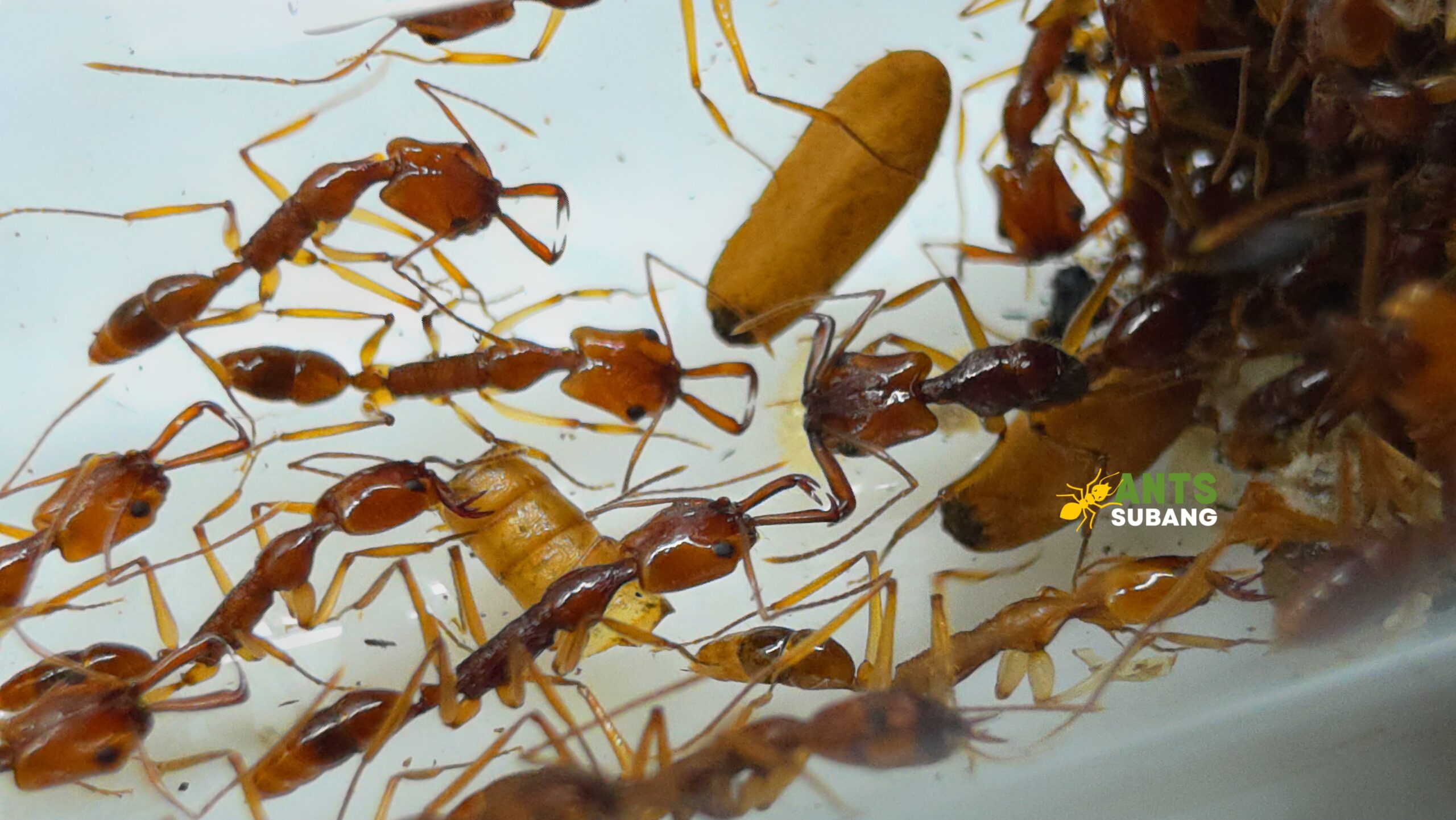
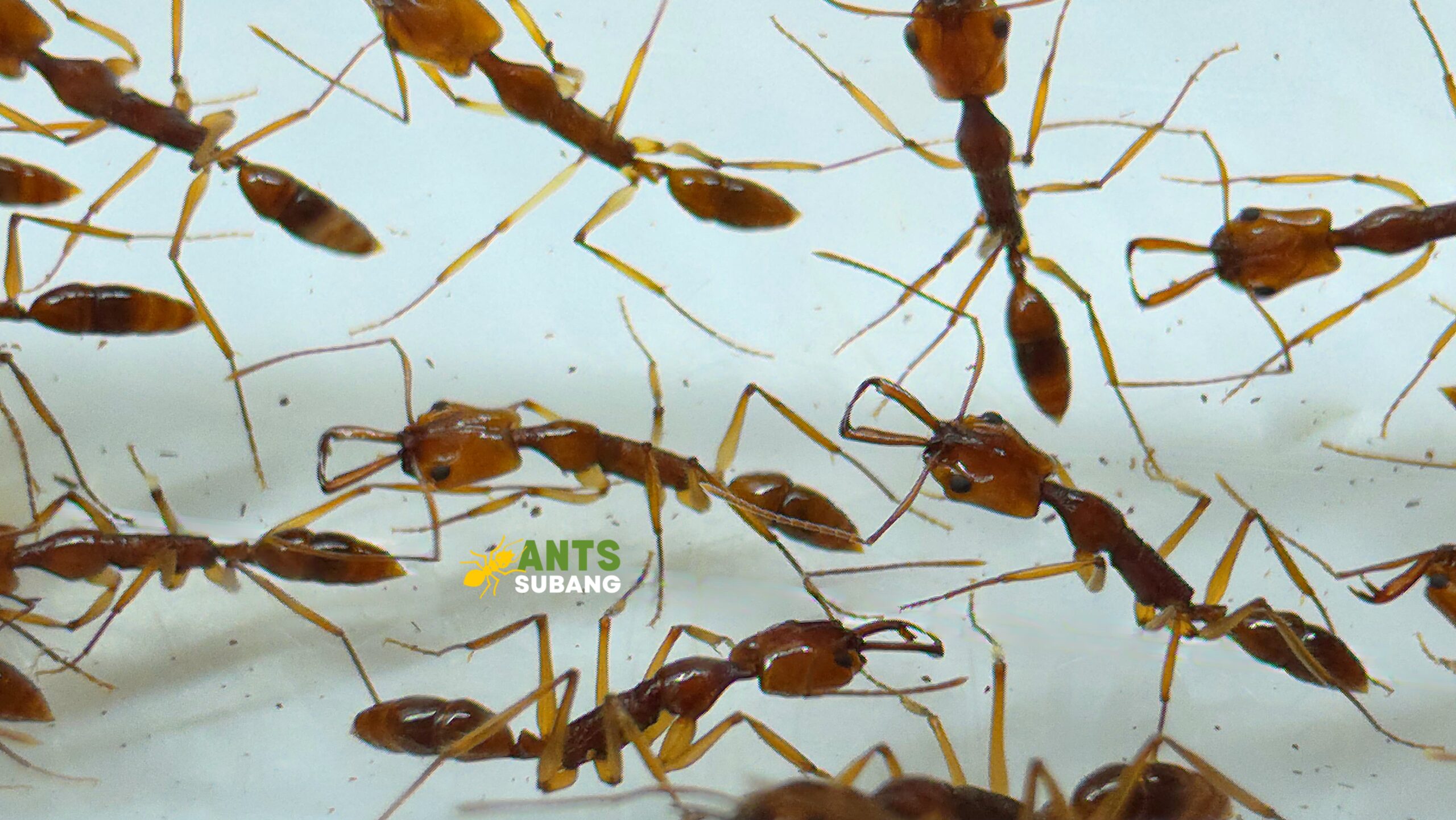
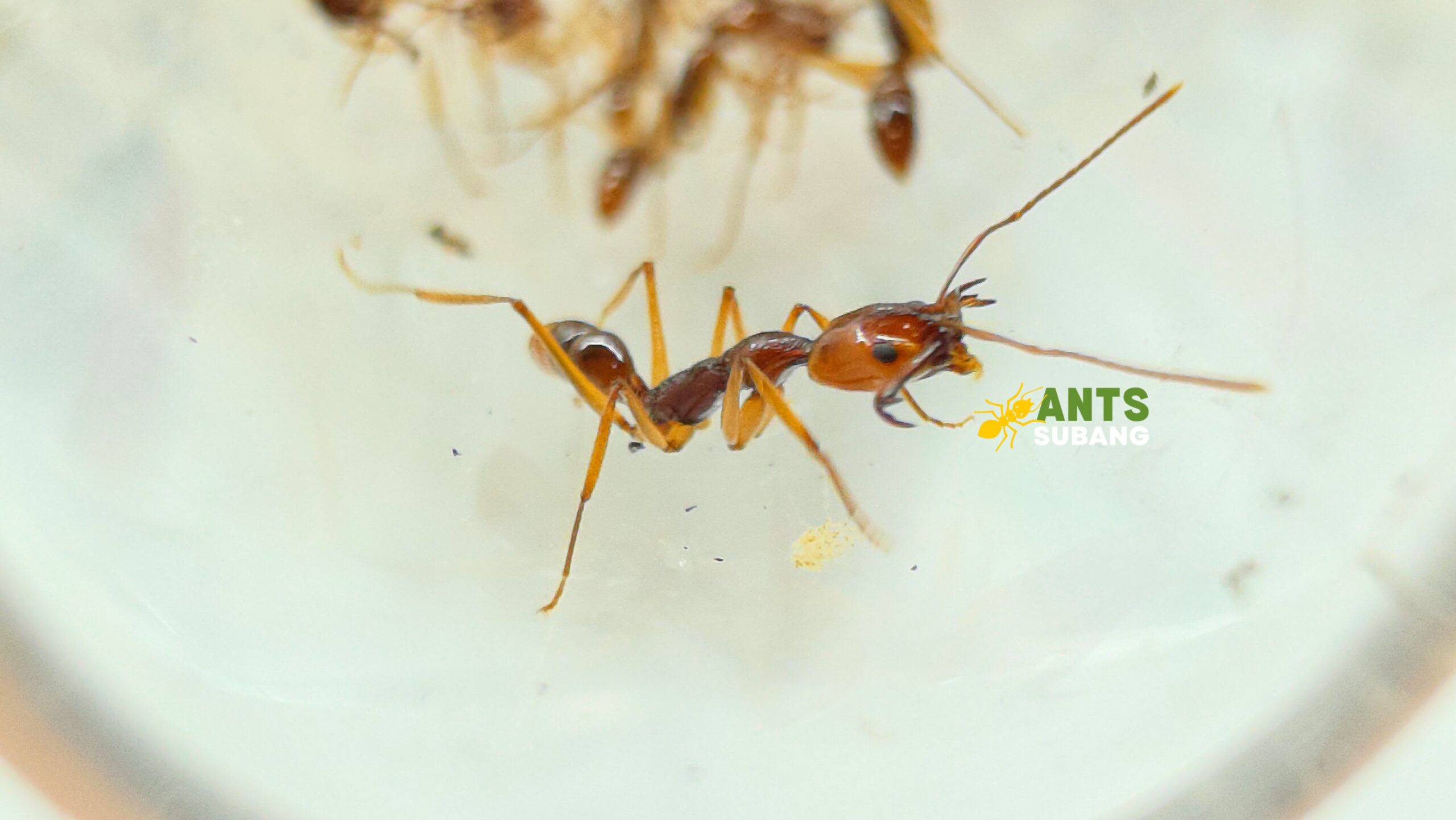
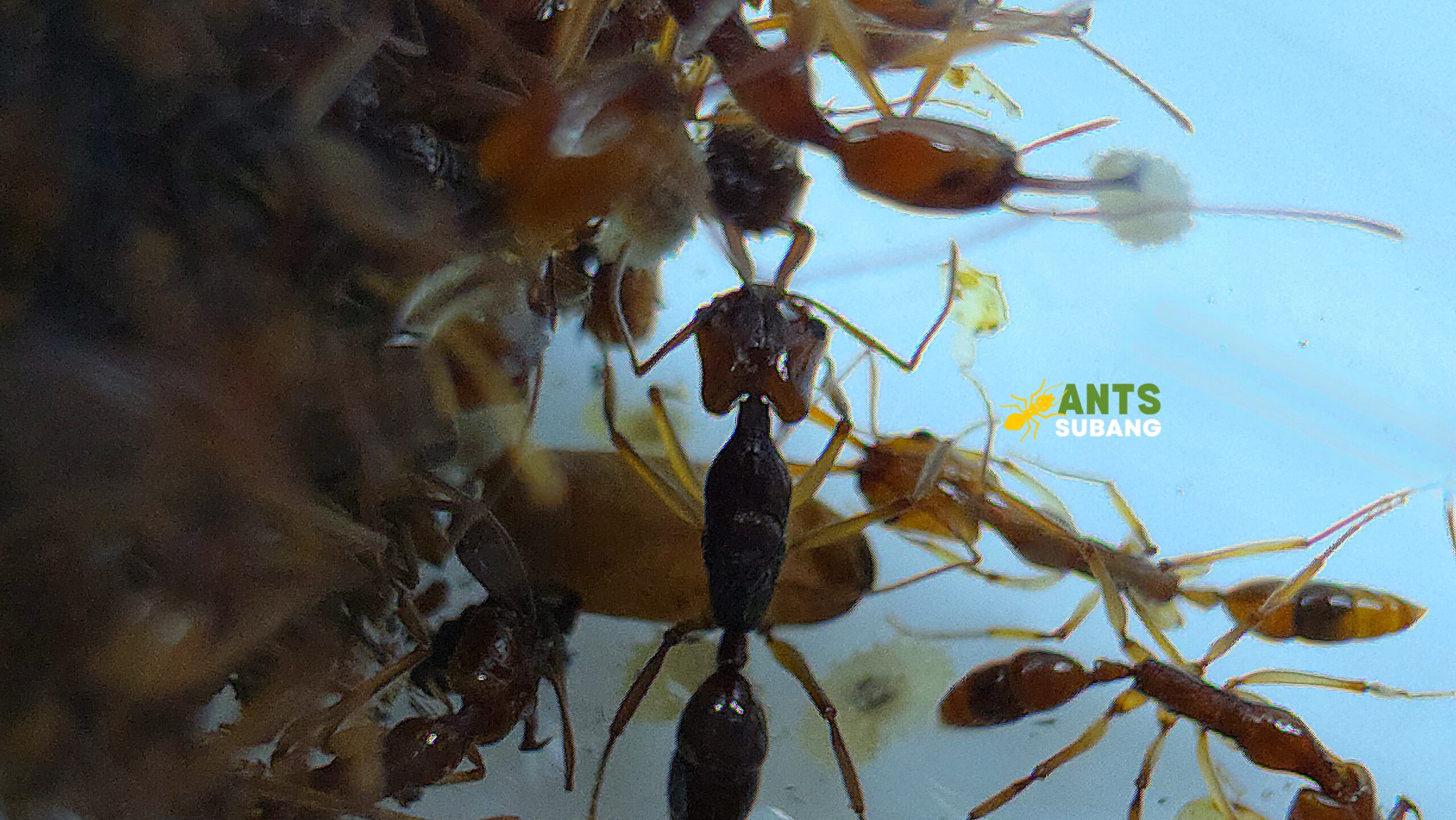
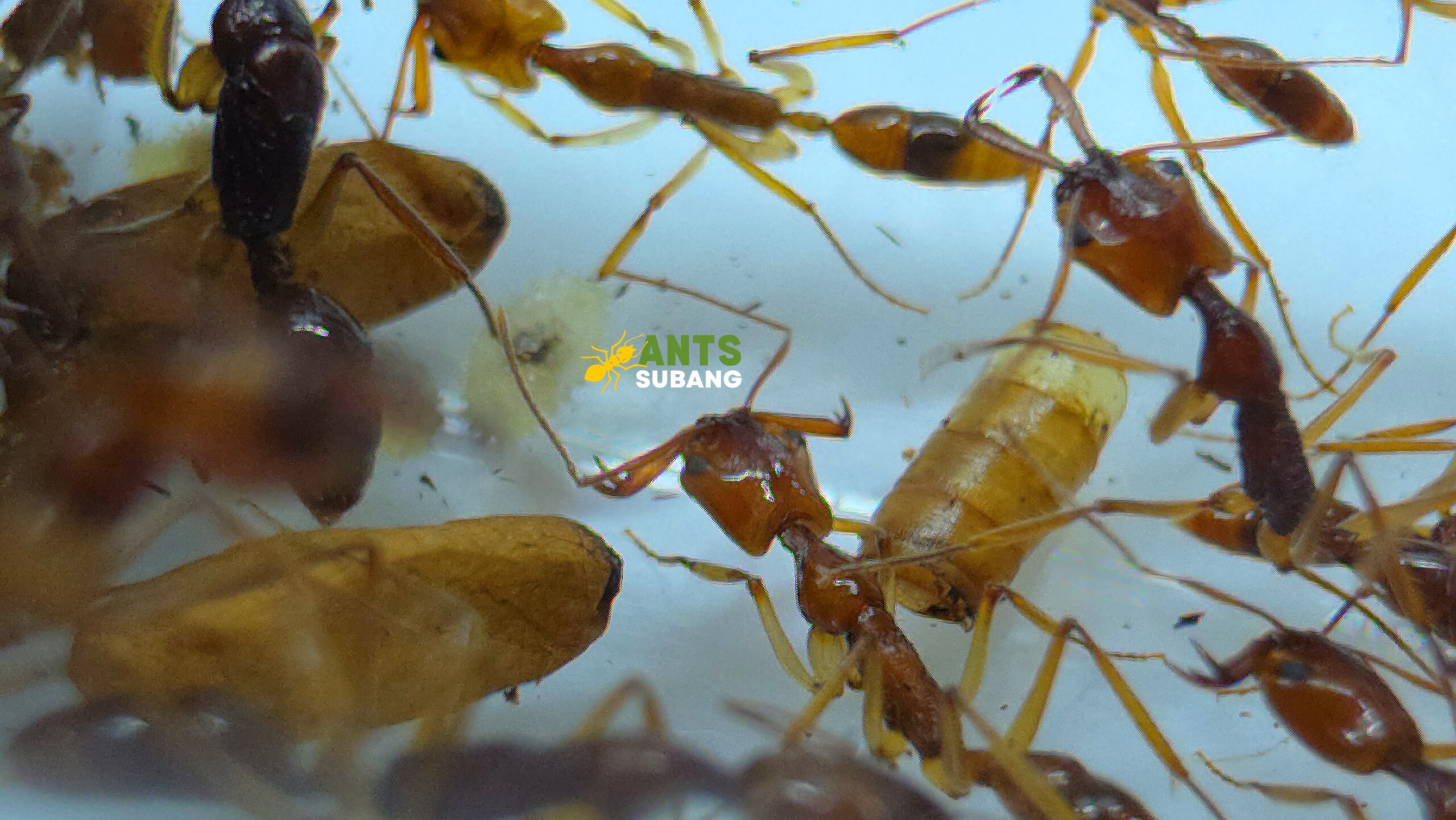
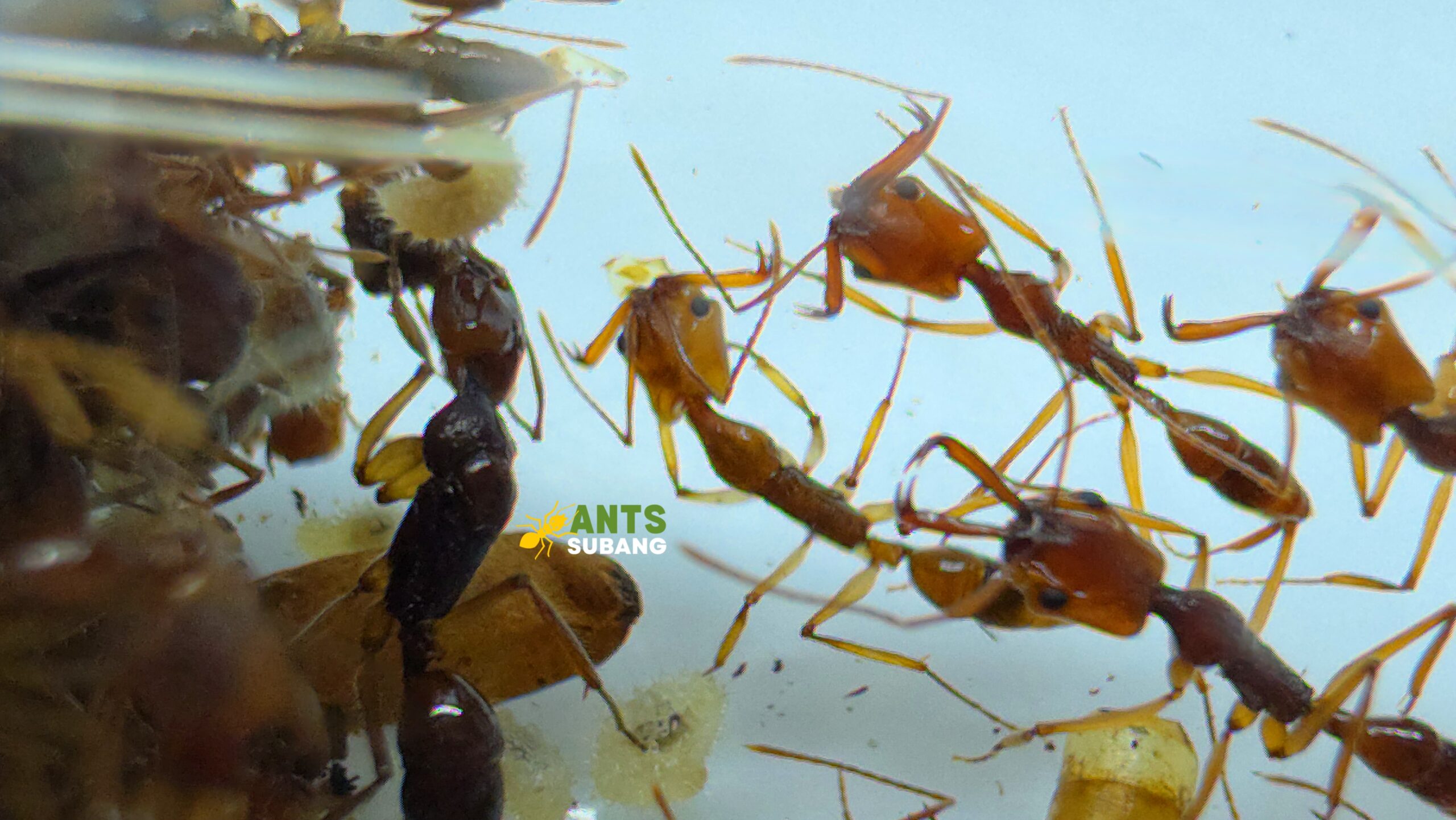
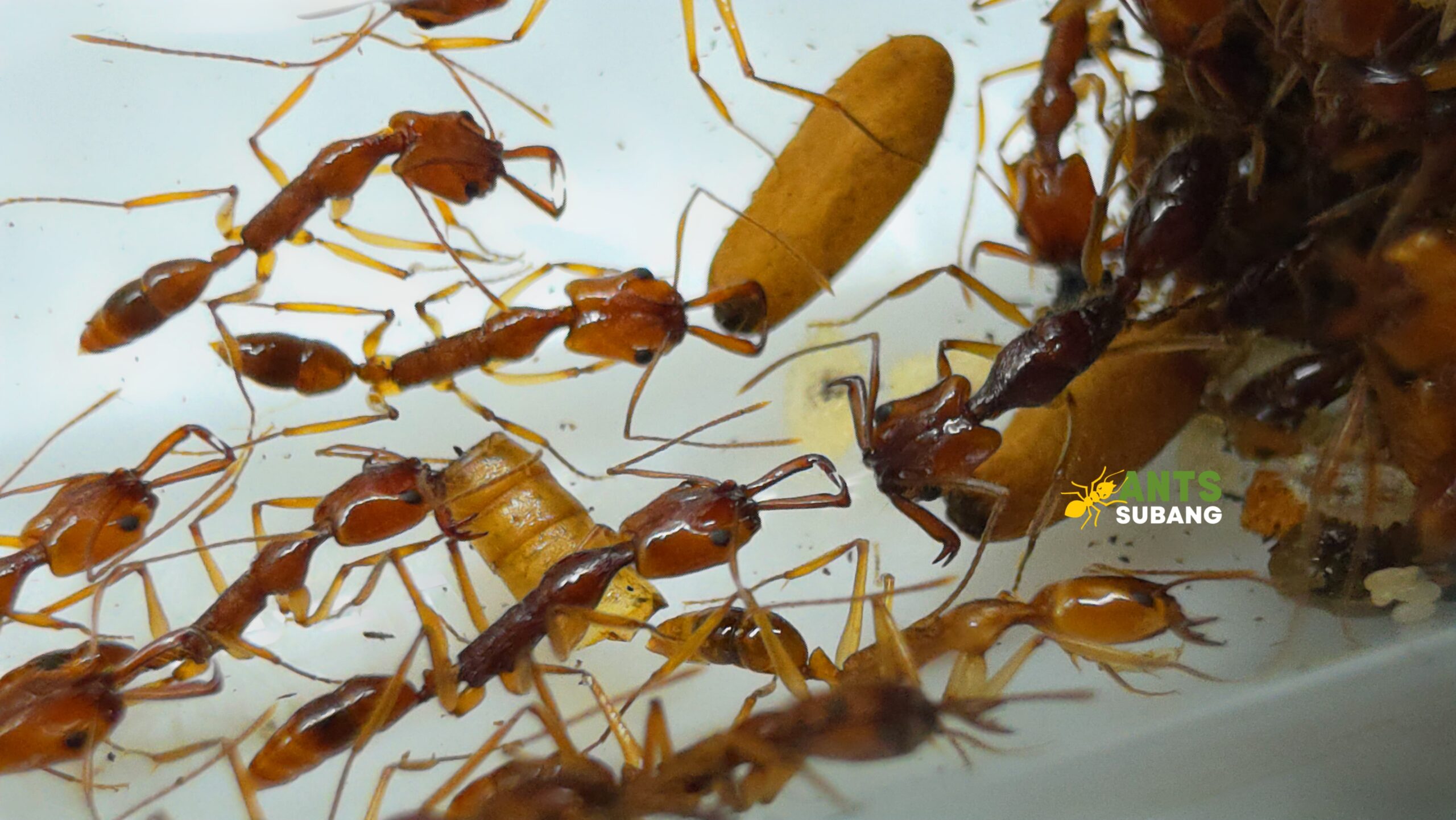
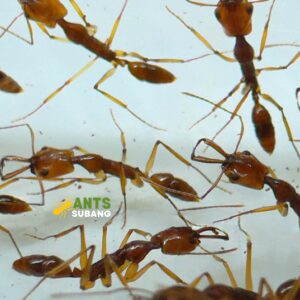
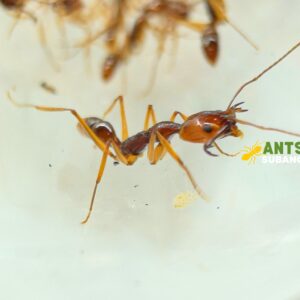
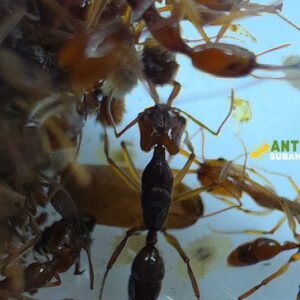
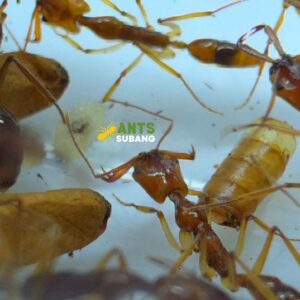
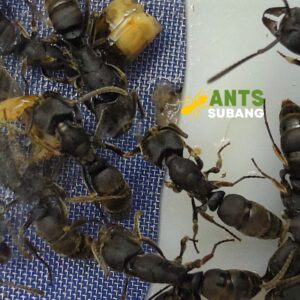
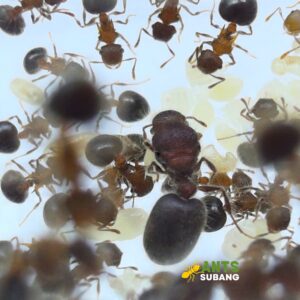
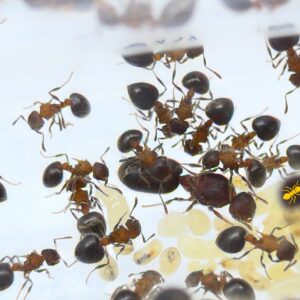
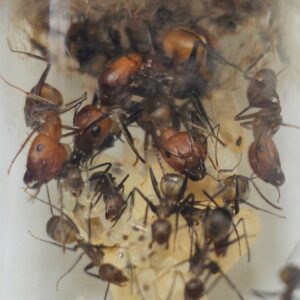
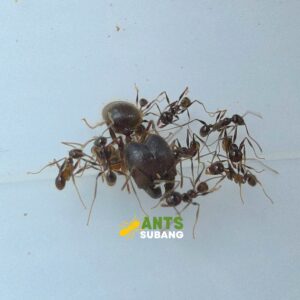
Keeping Odontomachus Rixosus requires a substrate setup that mimics a humid forest floor. This is an intermediate to advanced species, not recommended for beginners due to their specific needs for high humidity, stable temperatures, and live prey.
WHAT YOU WILL GET:-
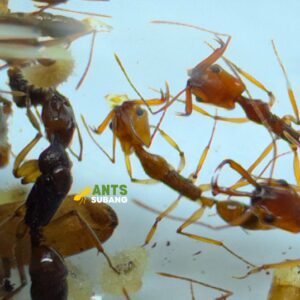
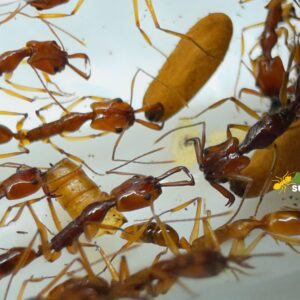
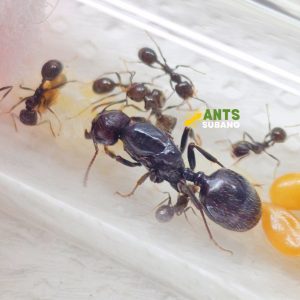
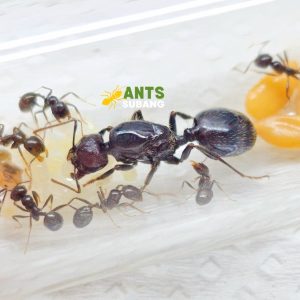
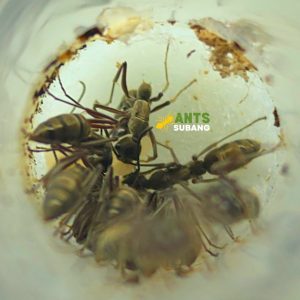
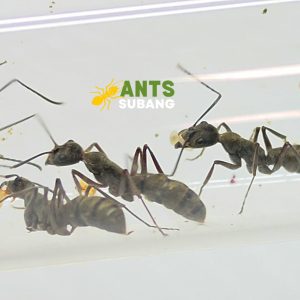
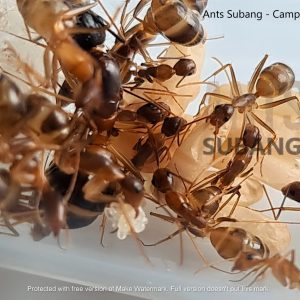
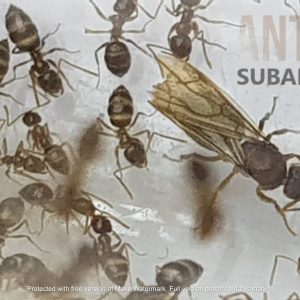
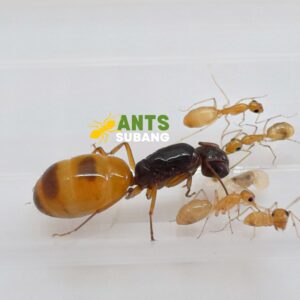
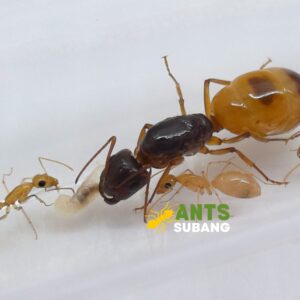
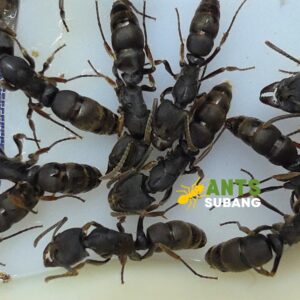
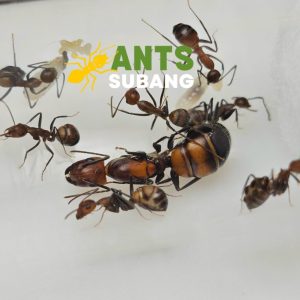
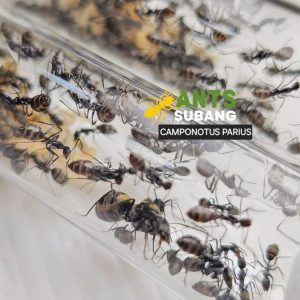
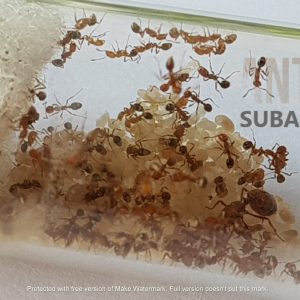
1 QUEEN + 10 TO 15 WORKERS OR
1 QUEEN + 16 TO 21 WORKERS
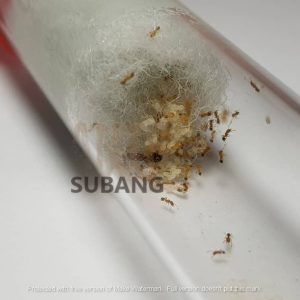
House in a glass test tube
🐜 Key Species Information
The table below summarizes the essential parameters for keeping this species.
| Parameter | Recommendation |
|---|---|
| Difficulty | Intermediate to Advanced; sensitive to disturbance and environmental fluctuations. |
| Colony Type | Polygynous (multiple queens) in the wild, though some sources report monogynous (single queen) in captivity. |
| Temperature | 25–28°C (75–82°F). Avoid drops below 25°C; a gentle gradient is ideal. |
| Humidity | High; 60–80% in the nest and 60–70% in the foraging arena. |
| Diapause | They are tropical and remain active year-round. |
| Diet | Obligate carnivores. Live or freshly killed insects are essential; sugar is supplementary. |
| Colony Size | Moderate; documented up to ~142–200 workers in the wild. |
🏠 Housing and Nest Setup
Because these ants are soil-nesters from humid tropical forests, they do not do well in dry, purely artificial nests.
Nest Type: AAC or plaster nest with a hydration reservoir is highly recommended to maintain consistent moisture. Naturalistic setups with deep substrate (coco fiber, sand, clay) also work well if moisture is monitored carefully.
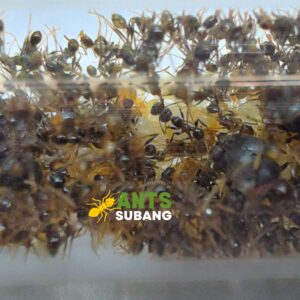
Setup: They require a dark, enclosed space. A bioactive substrate with springtails is beneficial to prevent mold and mite outbreaks, which are common issues in high-humidity environments.
Escape Prevention: While they cannot climb smooth glass, their high humidity needs mean they should be kept in a well-sealed terrarium rather than an open arena to prevent the setup from drying out.
🦗 Feeding and Diet
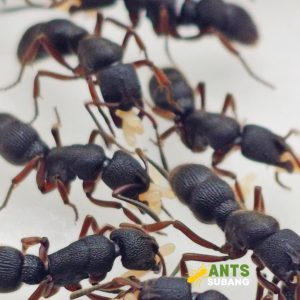
Odontomachus Rixosus is a specialist predator. Their trap-jaw mechanism is designed to impale live prey.
Primary Food: Live prey is essential. Feed flightless fruit flies, small crickets, or small roach nymphs 2–3 times per week. They will also accept freshly killed or chopped insects if live prey isn’t available.
Supplementary: They occasionally take dilute honey or sugar water, but this should not replace protein. Offer it once a week, especially when larvae are present.
Hygiene: Remove uneaten prey after 24 hours to prevent mold and mites.
🌡️ Temperature and Humidity Management
This is the most critical aspect of their care. As a tropical lowland species, they have zero tolerance for cold or dry conditions.
Heating: Provide a gentle heat gradient (e.g., 25–28°C on one side of the nest). If the temperature drops below 25°C, the colony will become stressed, refuse food, and brood may die off.
Moisture: Maintain the substrate dampness and never waterlogged. Poor ventilation in a humid setup can quickly lead to mold.
⚠️ Behavior and Safety
Speed and Jaws: Their mandibles can snap shut at high speeds . This is used for hunting and to launch themselves backward when threatened. Be cautious during maintenance, as they can snap at fingers.
Sting: Workers are capable of delivering a painful sting. Use caution and avoid handling them directly.
Nocturnal: They are primarily nocturnal and are often more active during evening and nighttime hours.
🔍 Founding and Growth
Founding: Queens are semi-claustral. For faster start, many keepers offer the founding queen small, freshly killed insects to help her produce her first brood.
Development: Expect a moderate growth rate. The time from egg to worker is estimated at 8–10 weeks under optimal conditions.


Reviews
There are no reviews yet.