Species Profile:
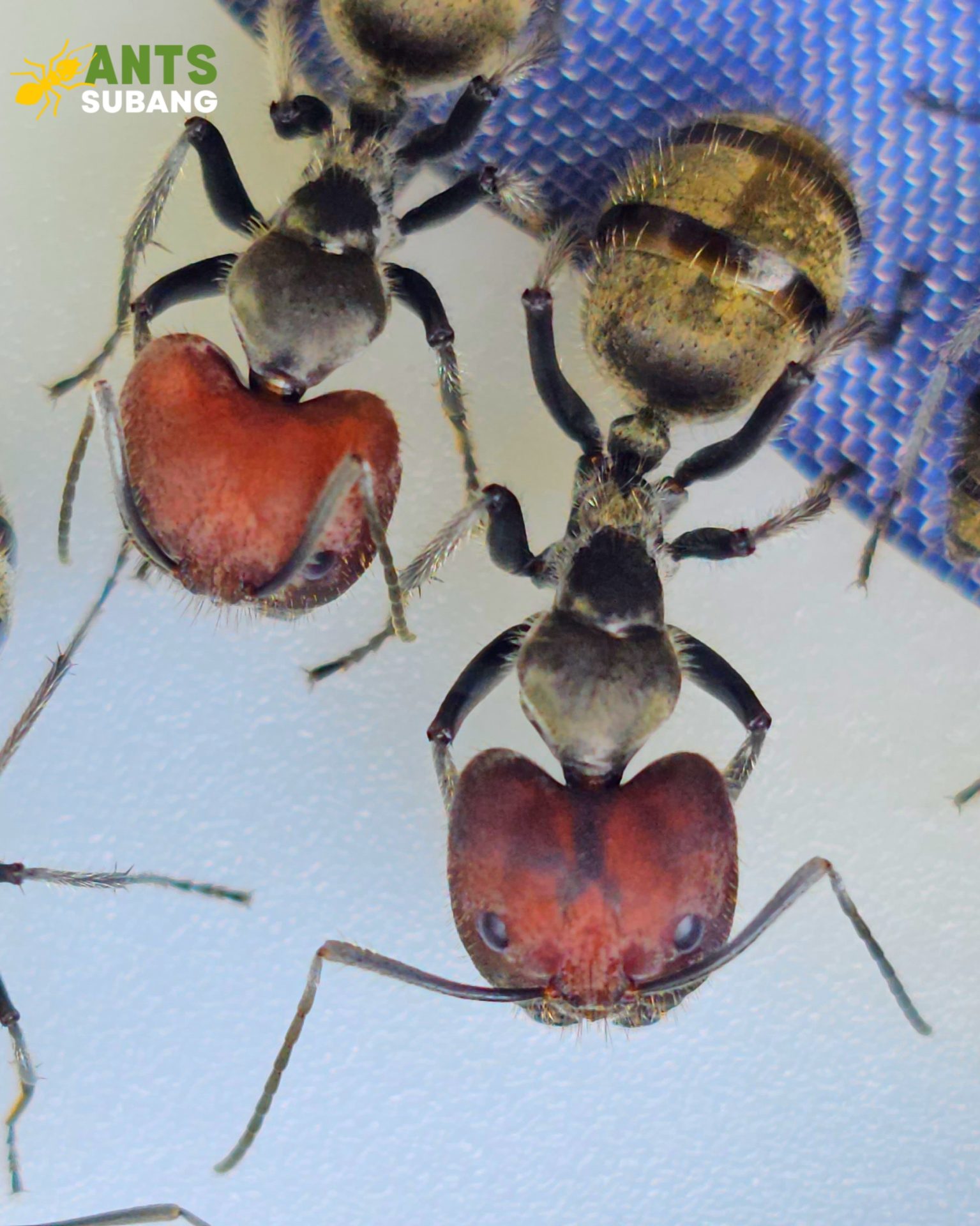
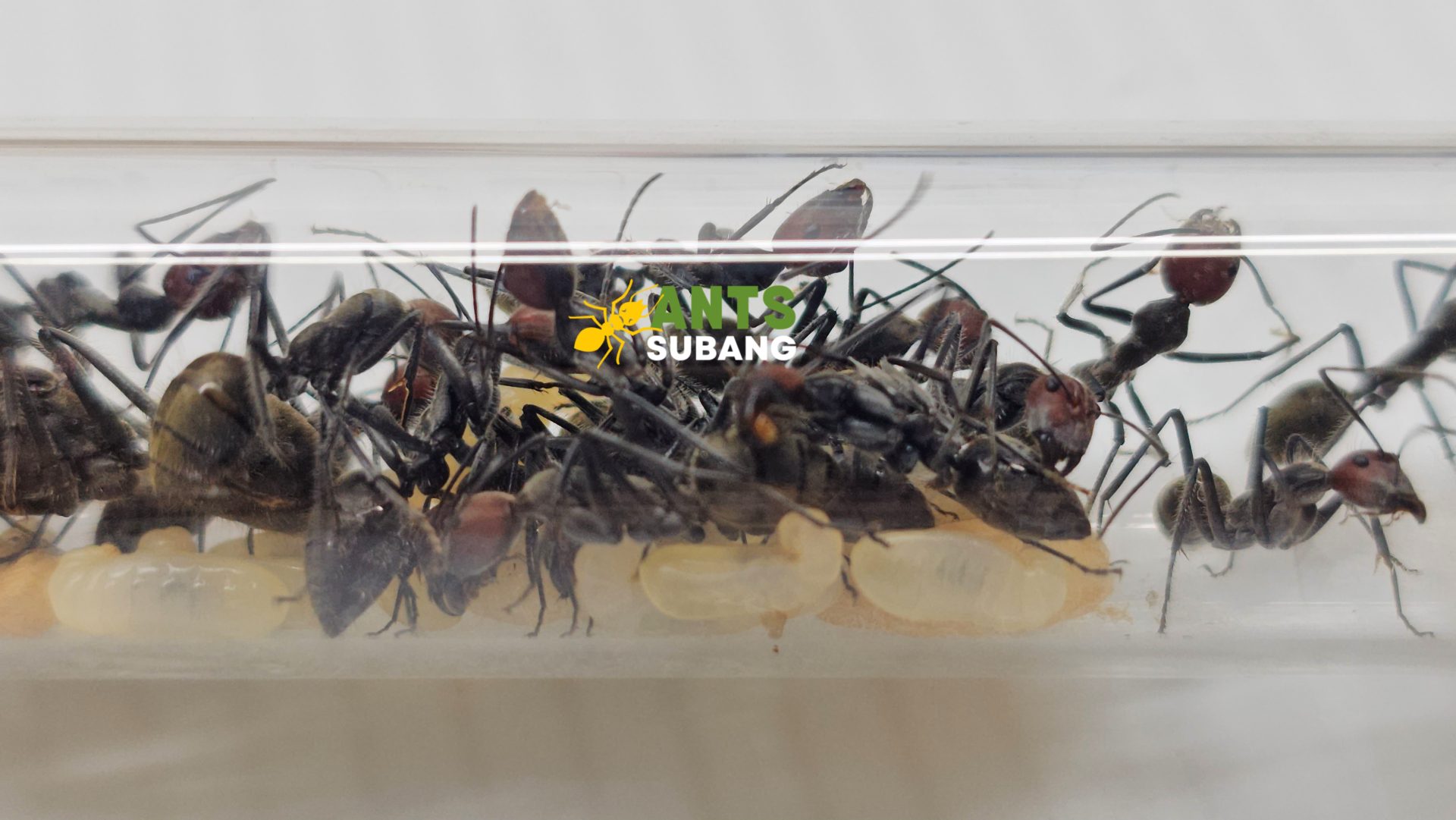
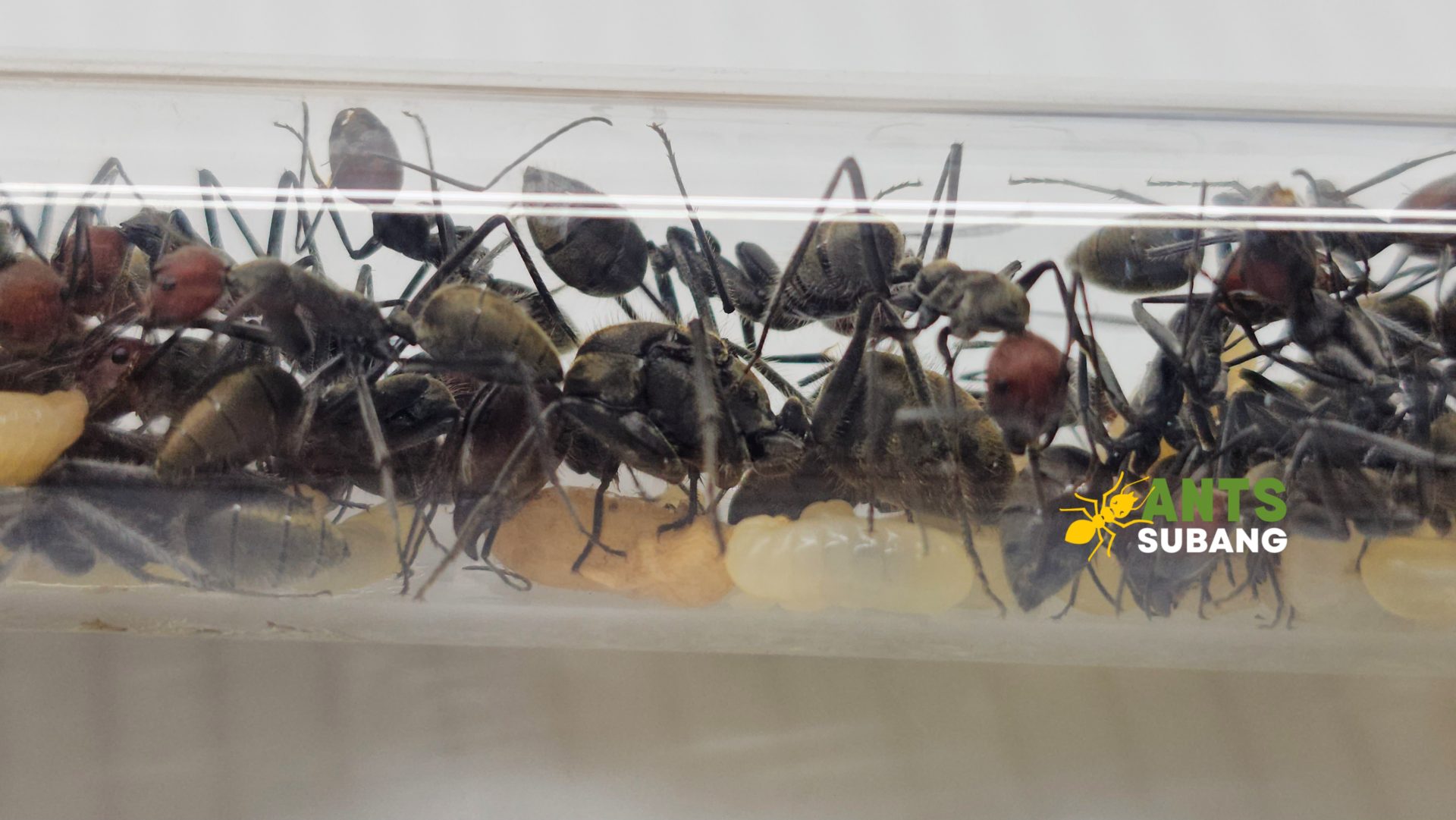
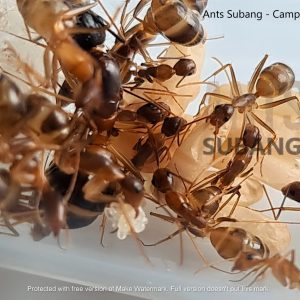
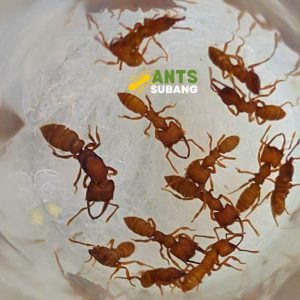
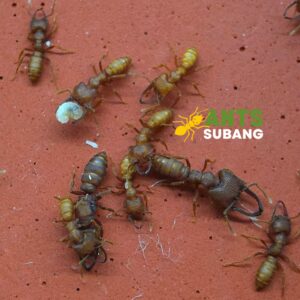
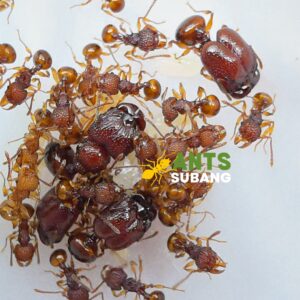
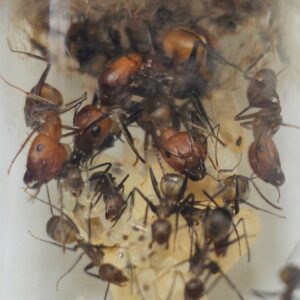
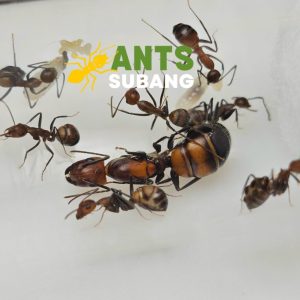
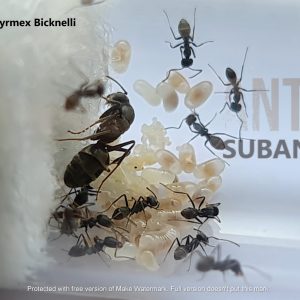
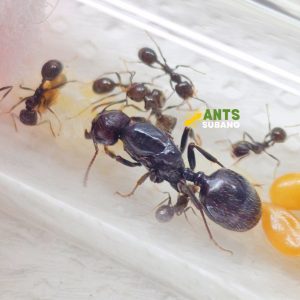
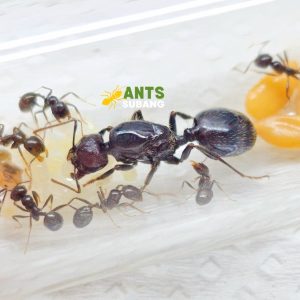
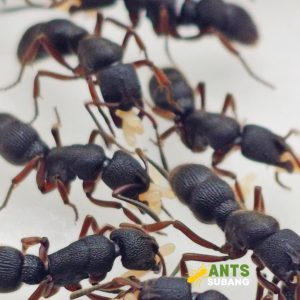
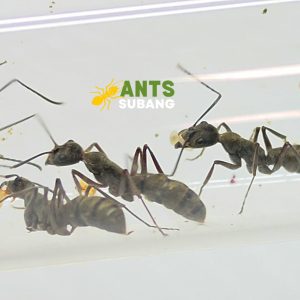
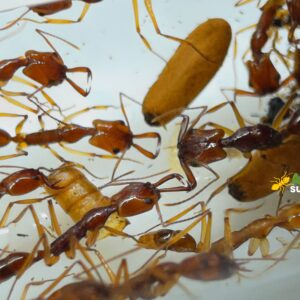
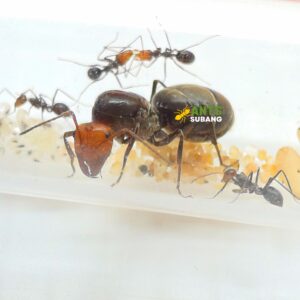
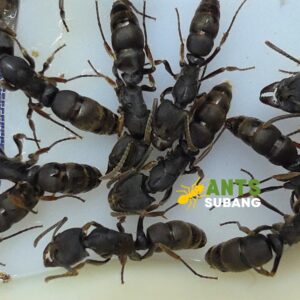
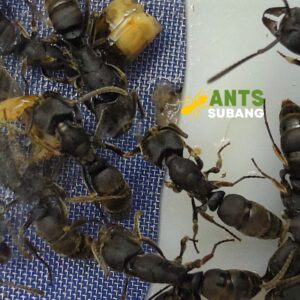
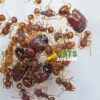
Camponotus singularis is a magnificent and visually striking ant species, highly prized by keepers for its impressive size and beautiful coloration. Featuring a distinct reddish-orange mesosoma contrasted against a dark gaster, these ants are a true statement piece in any collection. However, they are renowned for being a fragile species, particularly during the acclimatization period after shipping. They require a patient and attentive keeper who can provide stability and understand their slow initial growth phase, which is dramatically compensated for once a worker threshold is reached.
General Information
-
Difficulty: Difficult
-
Distribution: Tropical Asia
-
Queen Size: ~21mm
-
Worker Size: 9-18mm
-
Colony Structure: Monogyne (Single queen per colony)
-
Mature Colony Size: ~3,000 workers
-
Key Feature: Stunning size and color polymorphism. Growth is initially slow but “explodes” after a critical worker count is reached.
What You Will Receive
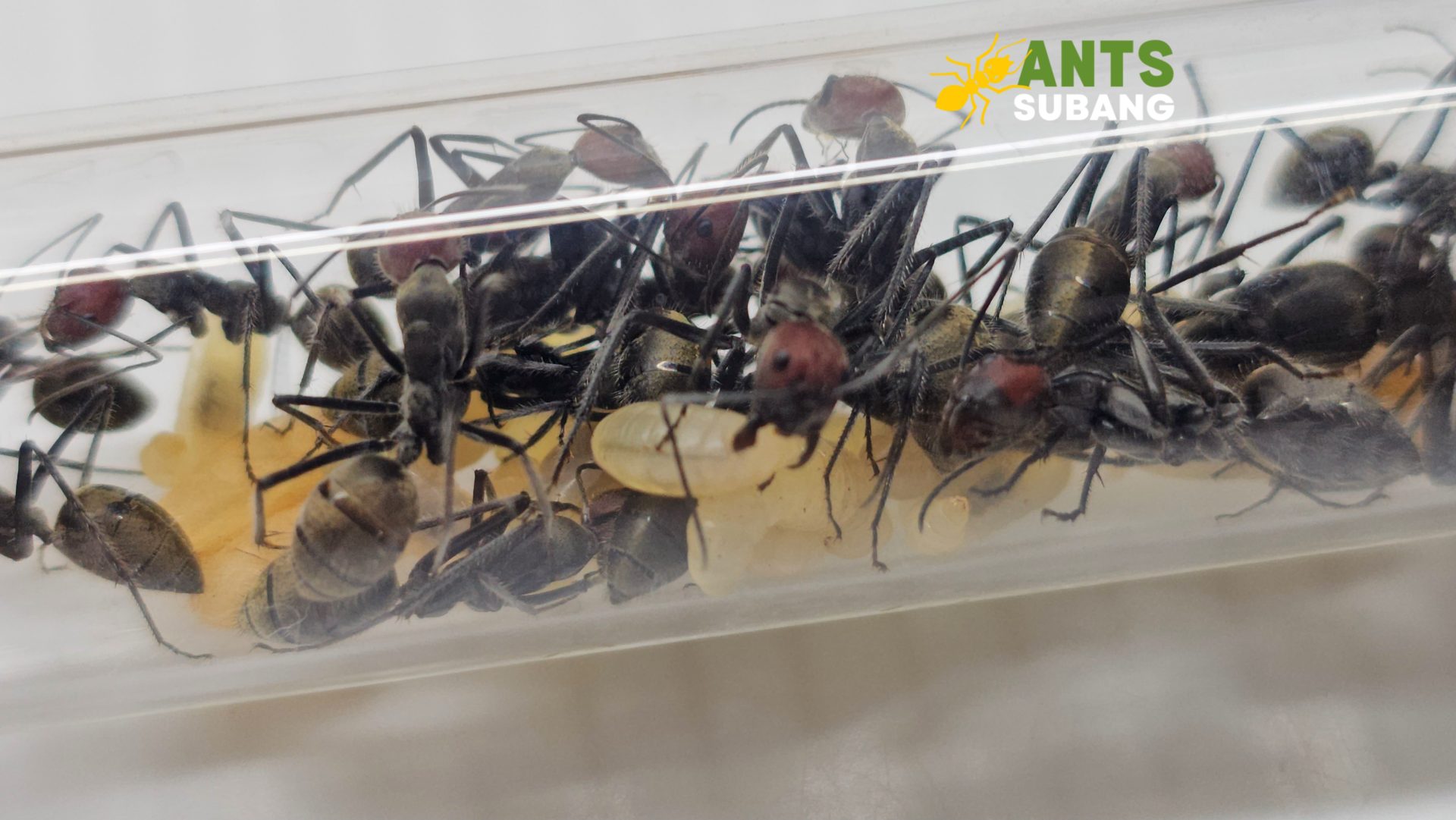
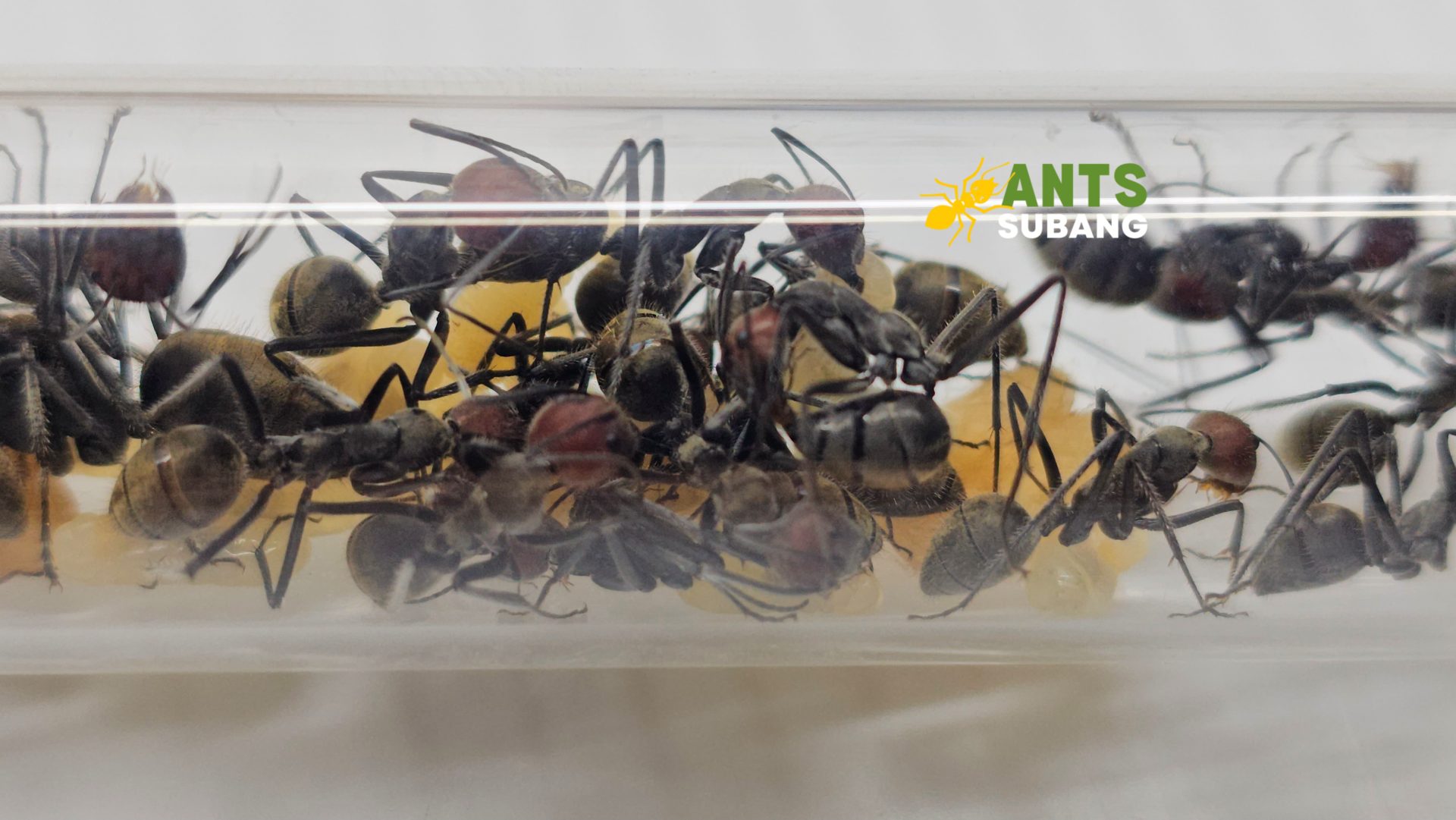
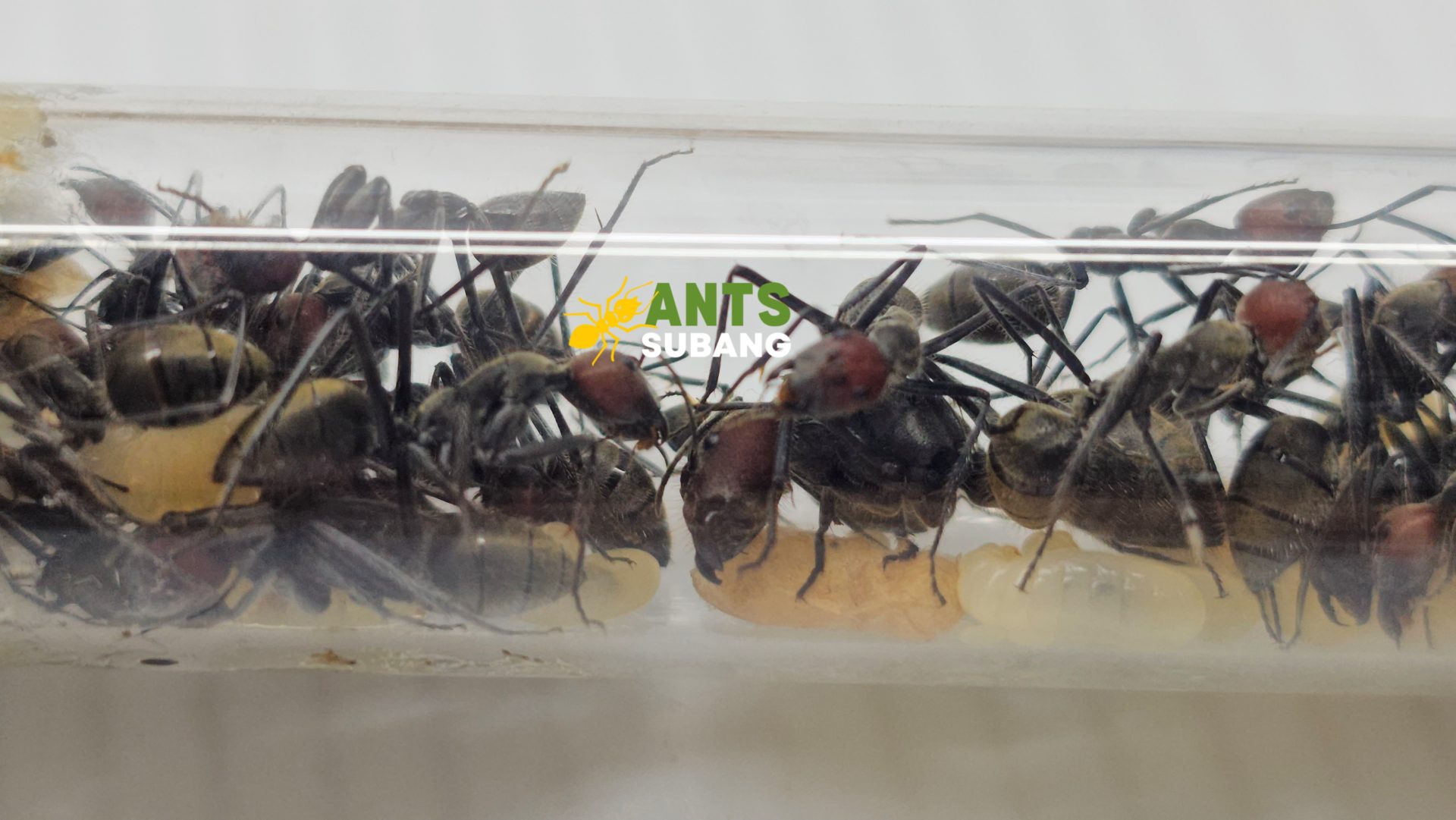
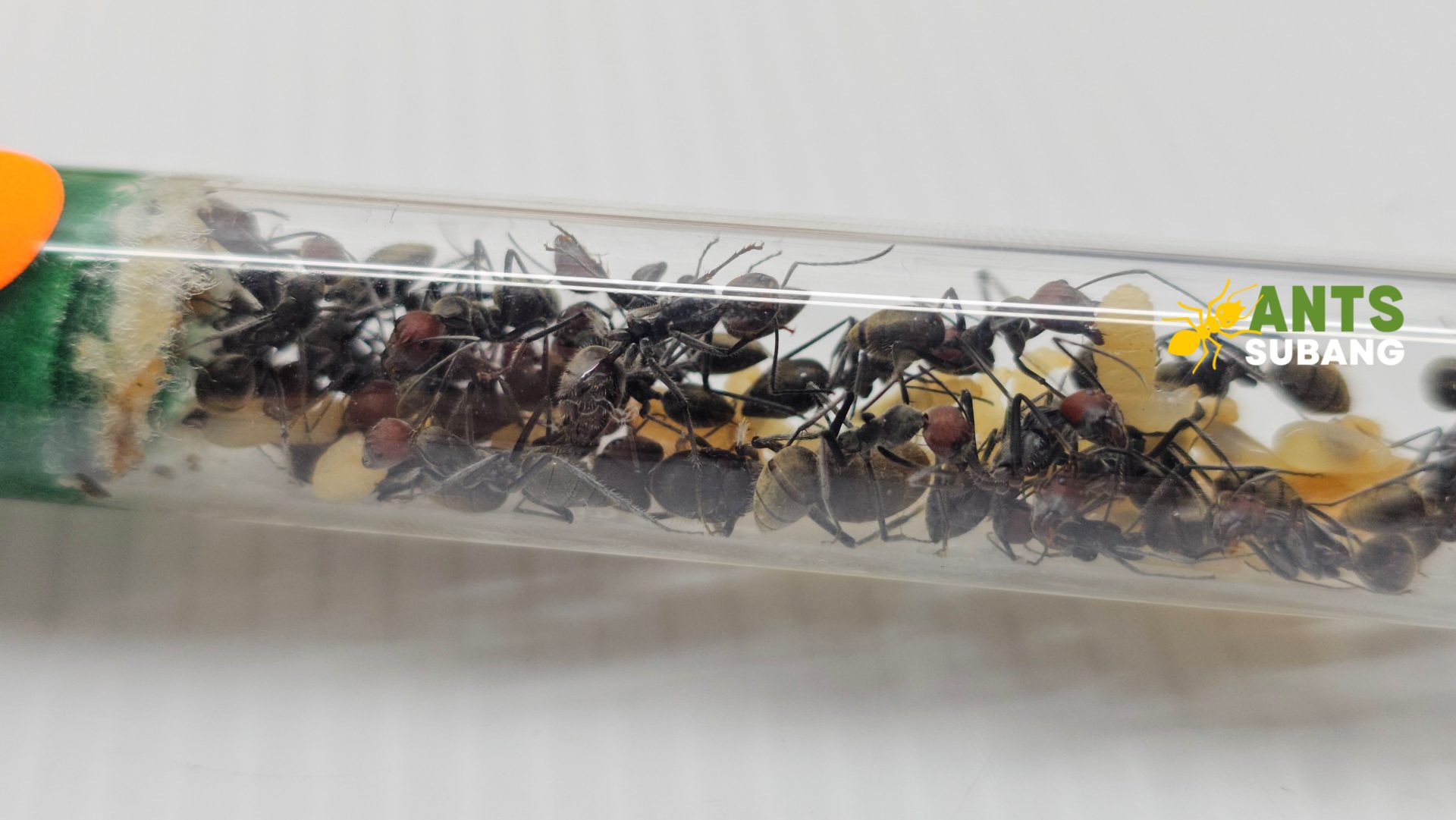
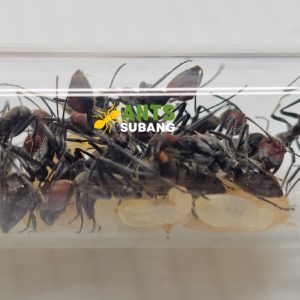
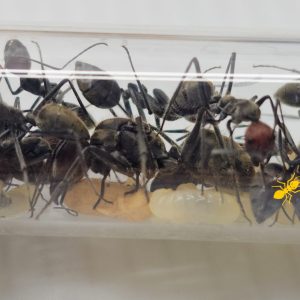
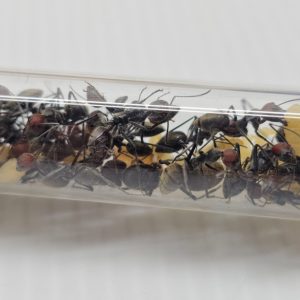
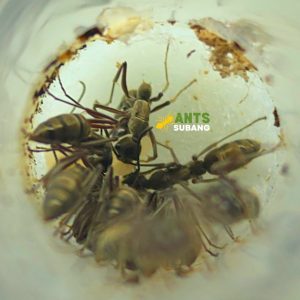
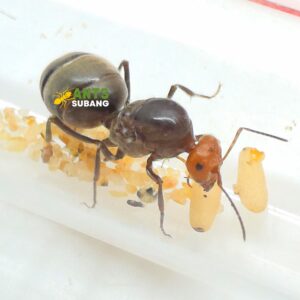
Your colony will be established in a secure glass test tube setup (typically 18mm diameter, may vary) to ensure stability during the fragile early stages.
-
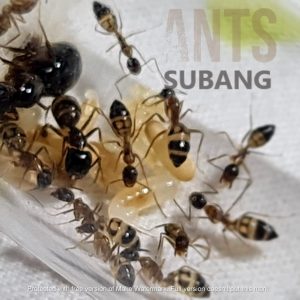
Option 1: Starter Colony – 1 Queen with 15-20 workers + Brood
-
Option 2: Established Starter – 1 Queen with 25-30 workers + Brood
Maintenance & Husbandry
1. Humidity:
-
Target: 60-90%
-
This species requires a high and stable humidity gradient within the nest. The test tube setup is perfect for this, providing a distinct wet and dry zone. When moving to a larger nest, ensure part of it remains consistently moist. Regular misting may be necessary to maintain these levels, especially in the outworld.
2. Temperature:
-
Ideal Range: 20-27°C (68-81°F)
-
Optimal: 25°C (77°F)
-
They prefer a moderate, stable temperature. Avoid sudden fluctuations and prolonged exposure to temperatures above 28°C, which can be stressful.
3. Diapause (Hibernation):
-
No, Diapause is not required.
-
As a tropical species, they will remain active throughout the year. A natural reduction in temperature to around 20°C (68°F) during the winter months is sufficient to mimic seasonal changes without triggering a full diapause.
4. Nest & Enclosure:
-
Early Stages: The glass test tube is the only recommended nest for the founding and early growth stages. It provides the stability and humidity control they desperately need. Do not rush to move them.
-
Established Colonies:
-
Suitable Nests:
-
Natural nests: Bamboo tubes, cork logs.
-
Mineral-based nests: Reconstituted stone, concrete, or gypsum nests. These also offer excellent humidity retention.
-
-
Outworld Arena: Can be any secure container, but a naturalistic setup with a deep substrate of sand/soil mixed with clay will help maintain overall humidity. Provide cork bark and twigs for climbing and foraging.
-
5. Diet:
-
Carbohydrates (Sugars): Provide a constant source of sugar. They will readily accept honey water (diluted 1:3 or 1:4), sugar water, or commercial ant nectar. Offer this in a small dish or on a piece of foil to prevent drowning.
-
Proteins (Insects): Essential for brood development. Offer a variety of feeder insects 2-3 times per week, adjusted for colony size. Suitable options include:
-
Fruit flies
-
Small crickets
-
Roach nymphs (Red Runner & Dubia)
-
Mealworms or Superworms
-
-
Note: As the colony grows and passes the critical 30-worker threshold, you will observe a significant increase in food consumption and egg-laying, fueling their rapid expansion phase.
6. Behavior & Observations:
-
Acclimatization is Key: Upon arrival, they are highly stressed. Place them in a dark, quiet, and stable environment (temperature/humidity) and do not disturb for a couple of days to allow them to settle. Loss of a few workers during this period is not uncommon, even with careful handling.
-
Growth Pattern: Patience is vital. Their development is famously slow until they have a sufficient workforce (~30 workers). After this point, the queen’s egg-laying accelerates dramatically, and colony growth can “explode.”
-
Sensitivity: These ants are sensitive to vibrations, light, and static. Handle all maintenance with extreme care and minimal disturbance.
This guide highlights the specific challenges and rewards of keeping Camponotus singularis. With patience, stability, and the correct setup, keepers can successfully navigate their fragile early stages and be rewarded with one of the most spectacular large-bodied ants in the hobby.


Reviews
There are no reviews yet.