Harpegnathos venator (Jumping Ant)
Species Profile:
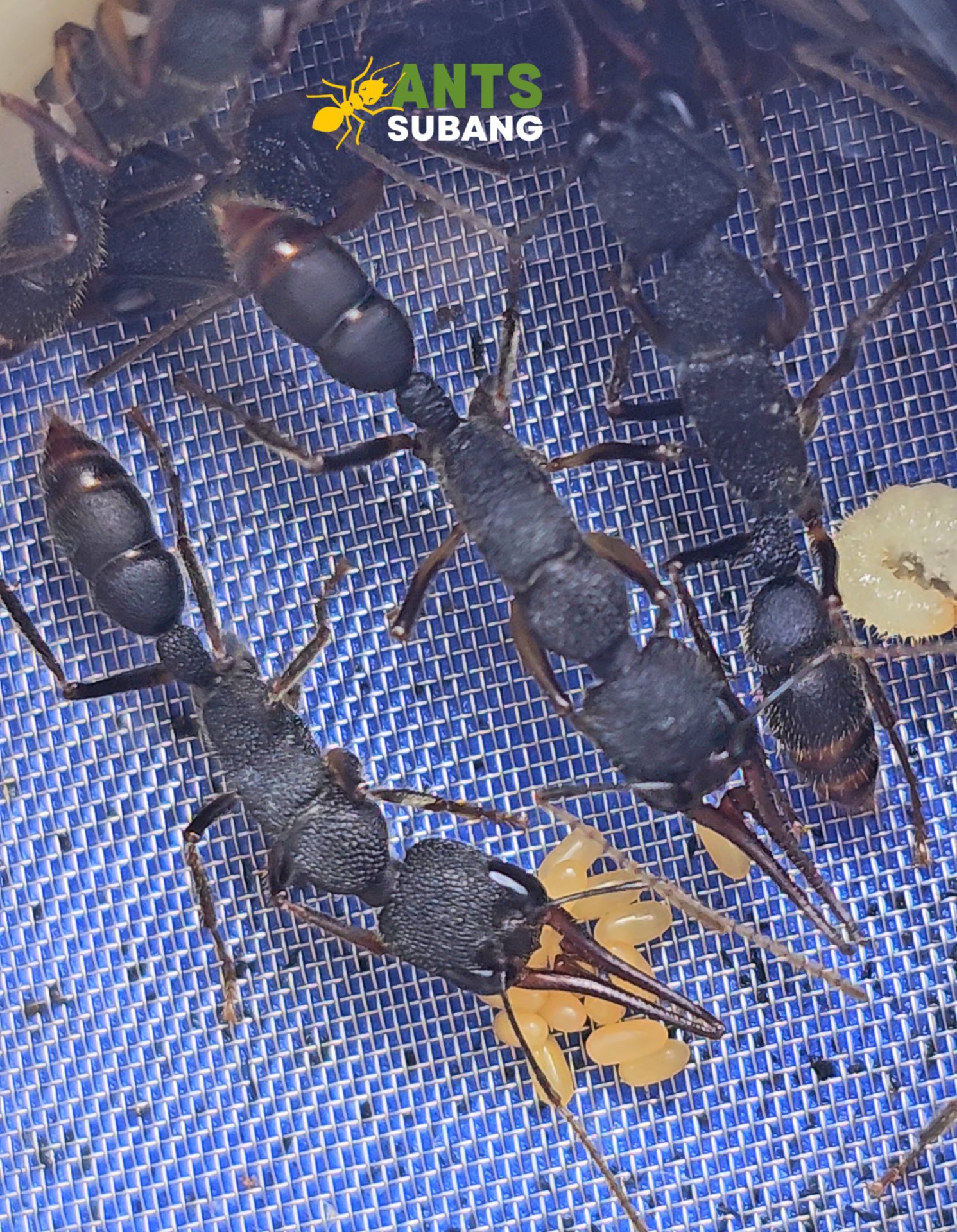
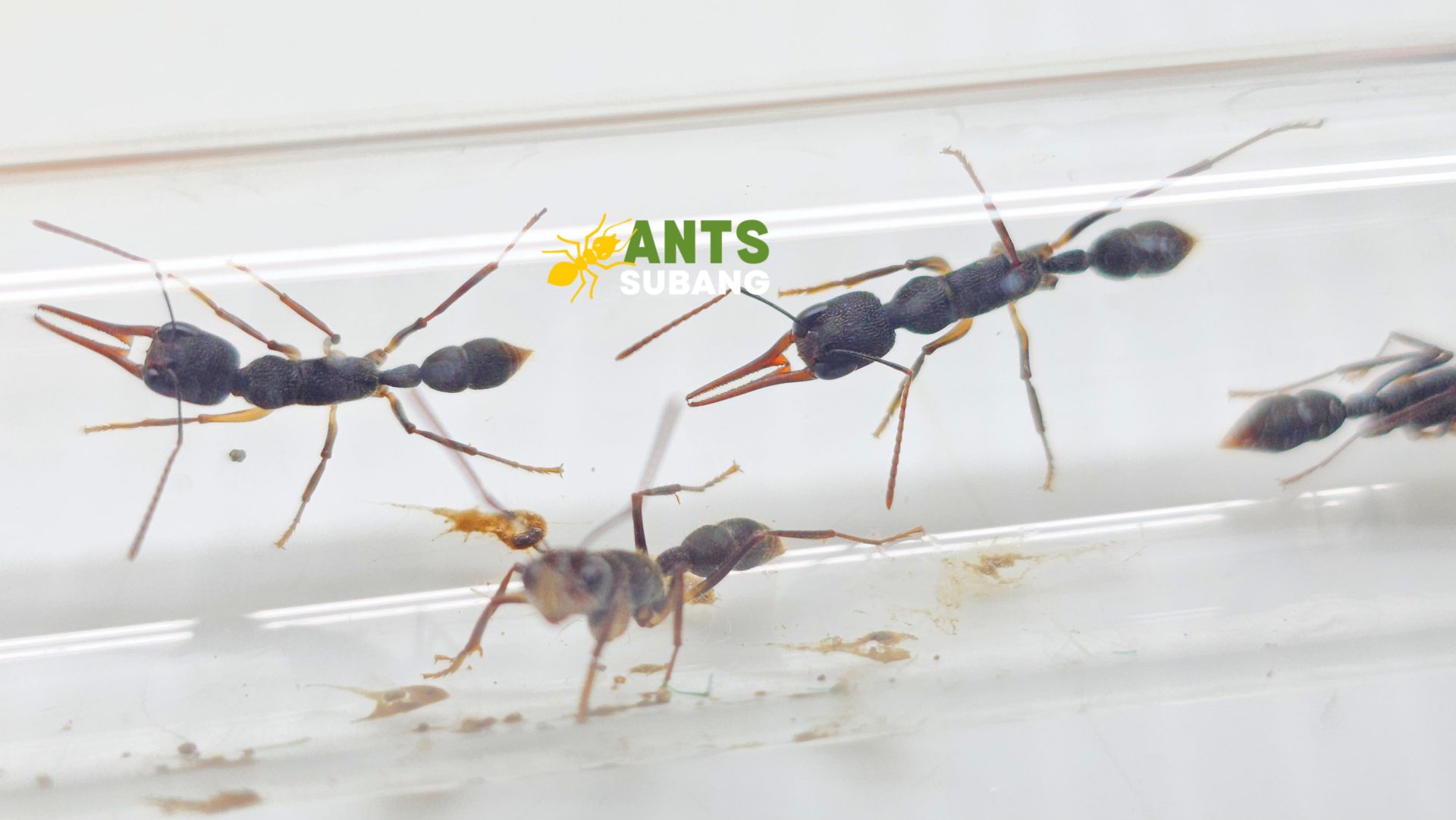
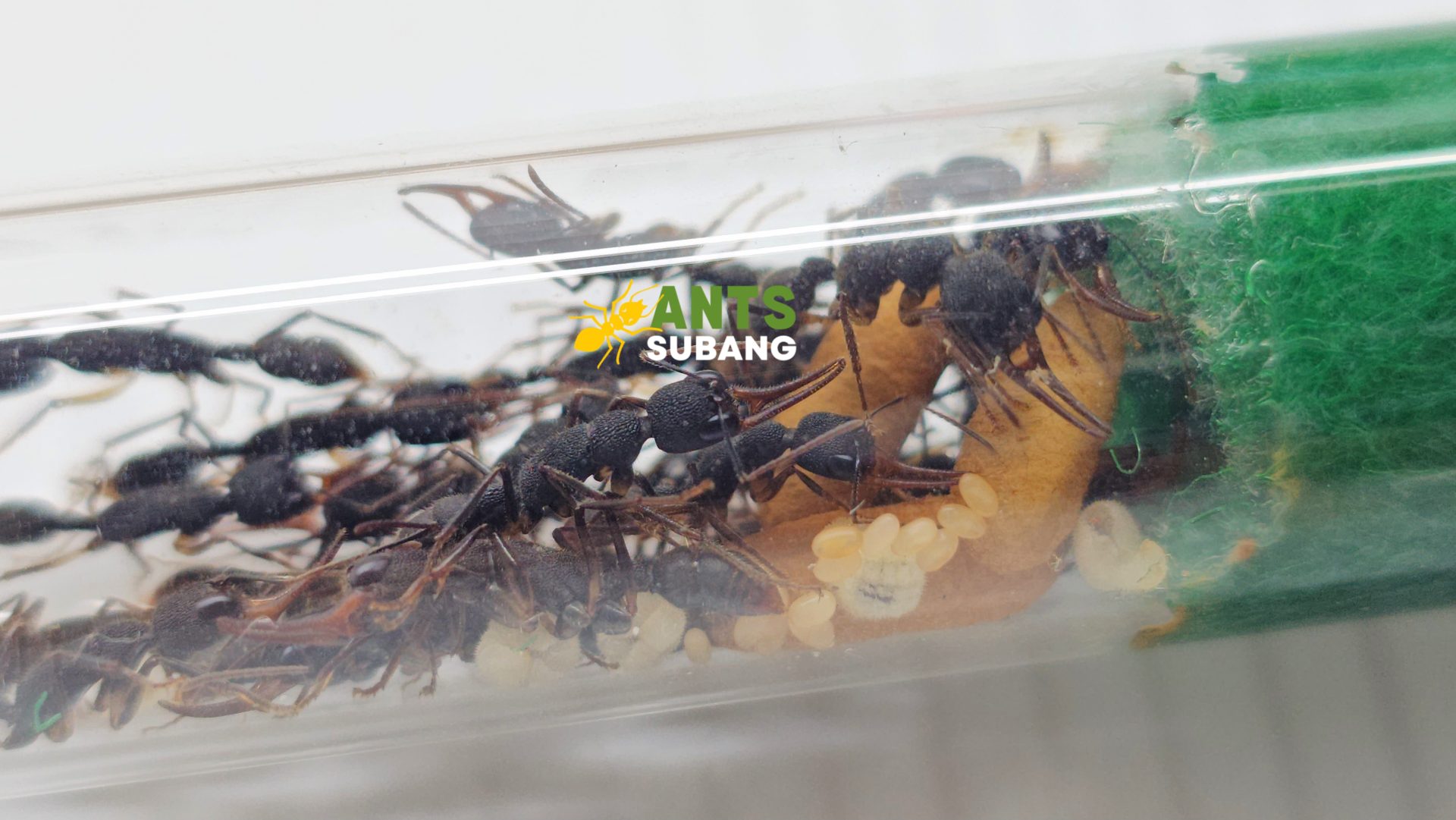
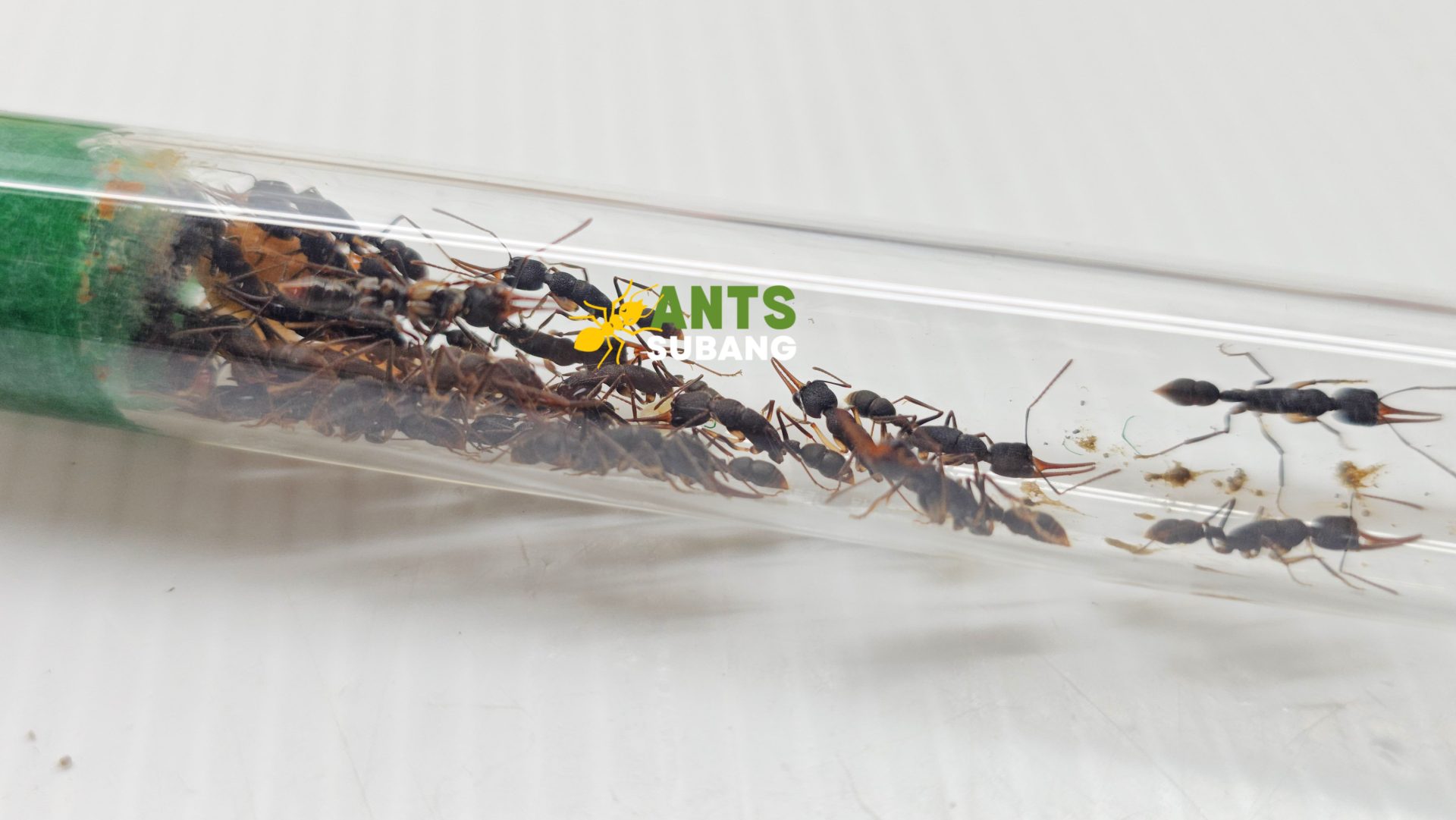
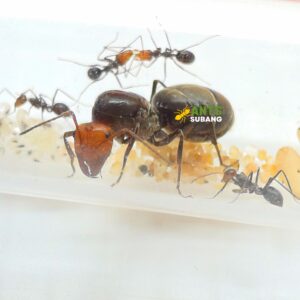
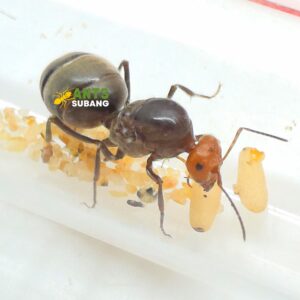
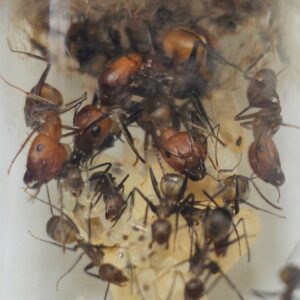
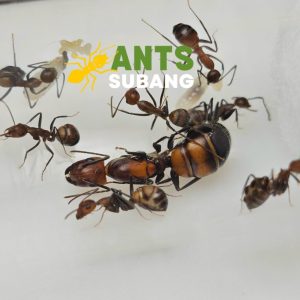
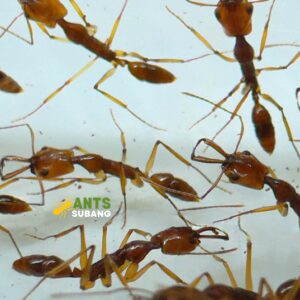
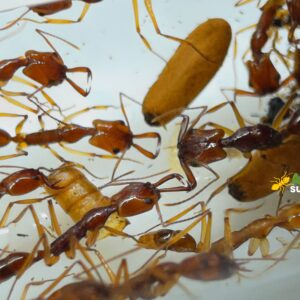
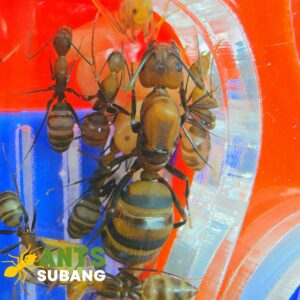
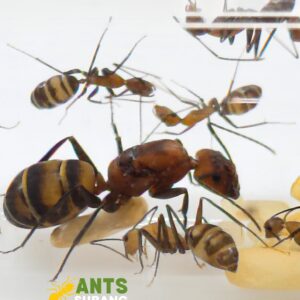
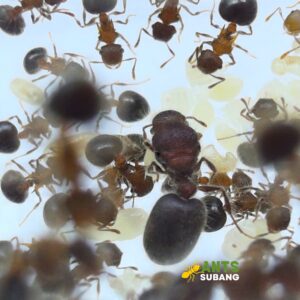
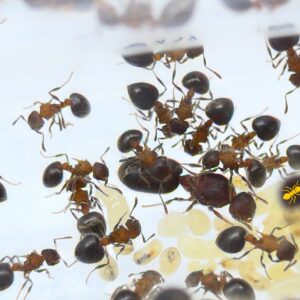
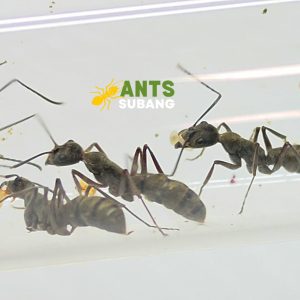
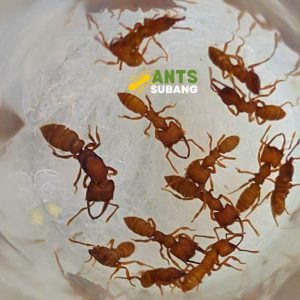
Harpegnathos venator, commonly known as the Jumping Ant, is one of the most iconic and sought-after species in the ant-keeping hobby. Renowned for their massive compound eyes, which grant them exceptional vision, and their unique ability to leap, these ants are visual hunters that stalk and capture live prey. Despite rumors of difficulty, they are perfectly manageable with the right knowledge, requiring specific humidity and a steady supply of live food. This species is a true gem, offering a unique window into a highly advanced predatory lifestyle.
General Information
-
Difficulty: Moderate
-
Distribution: Tropical Asia
-
Queen Size:Â ~15mm
-
Worker Size:Â ~14mm (Monomorphic)
-
Colony Structure: Polygyne (Can have multiple fertile queens)
-
Mature Colony Size: less than 500
-
Key Feature:Â Stunning visual hunters that hunt by sight and are capable of jumping.
-
Important Note: These are true queen colonies.
What You Will Receive
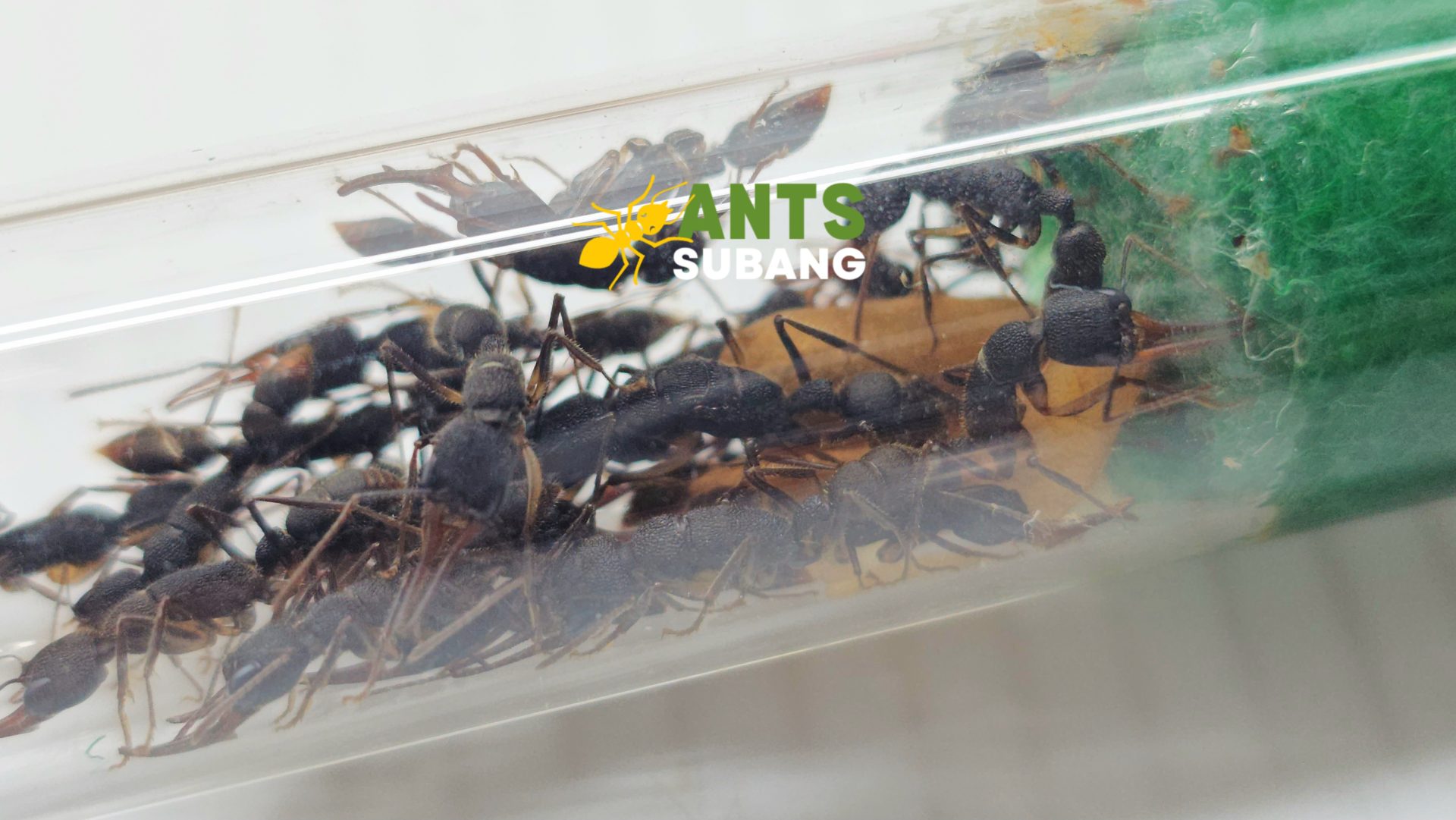
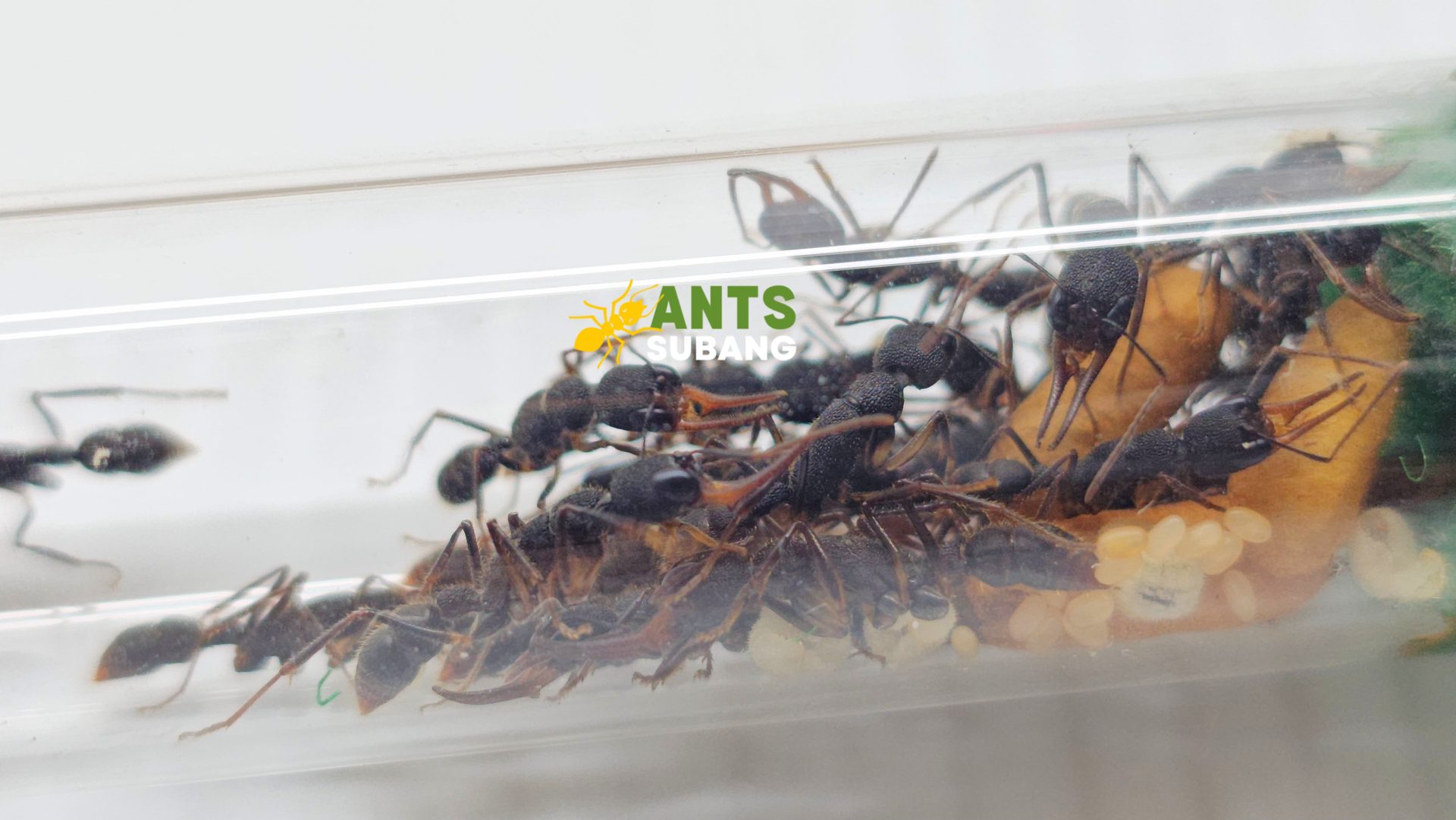
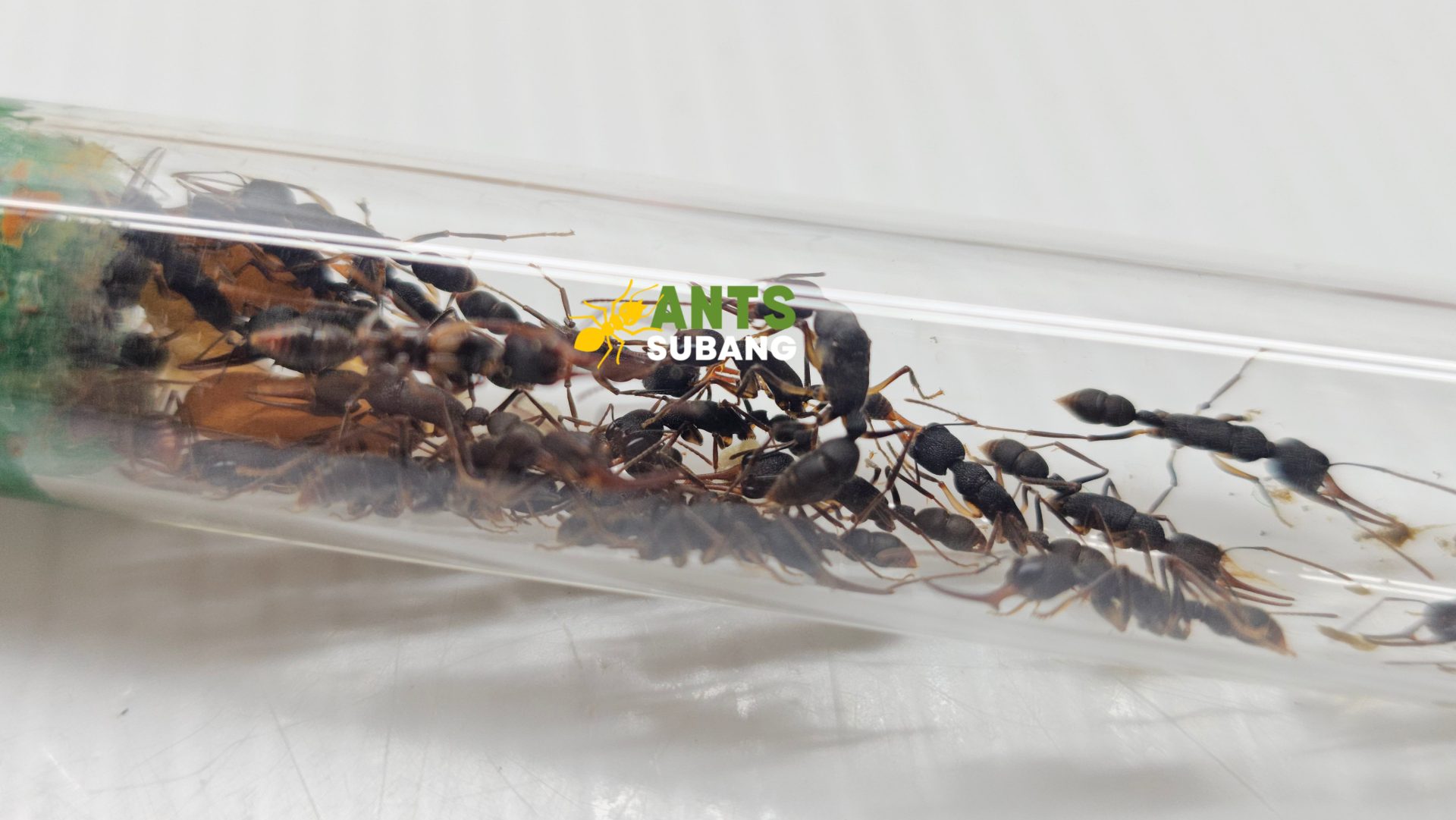
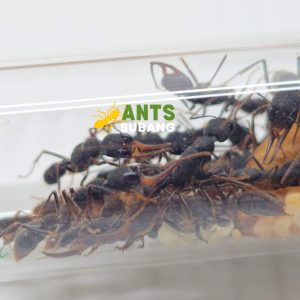
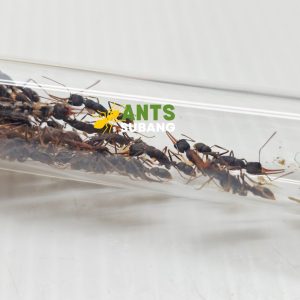
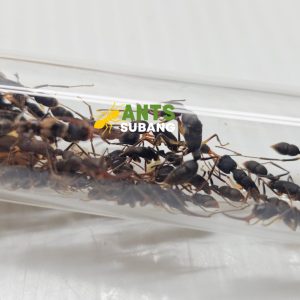
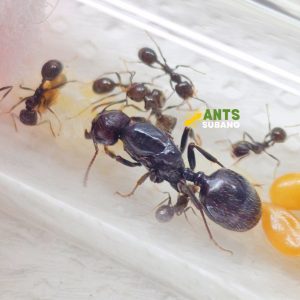
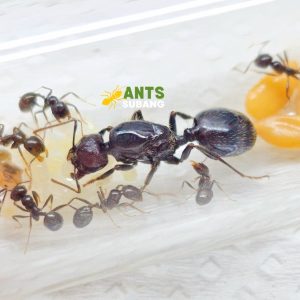
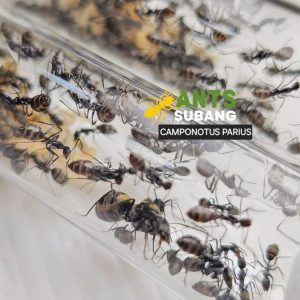
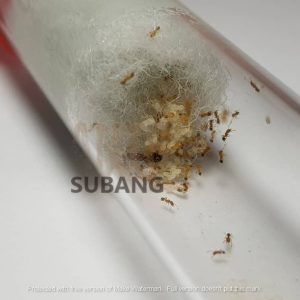
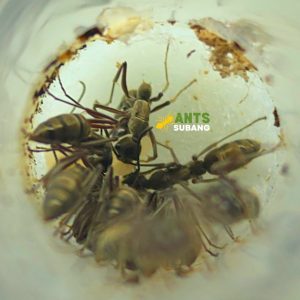
Your colony will be established in a secure glass test tube setup (typically 18mm diameter, may vary).
-
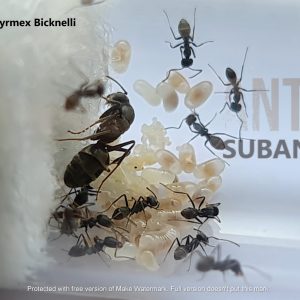
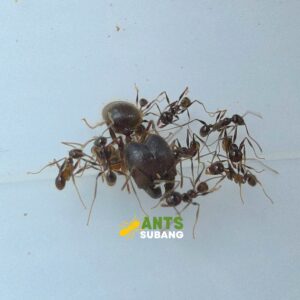
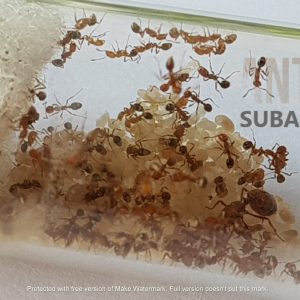
Option 1:Â Starter Colony –Â 1 Queen with 20-25 workers + Brood
-
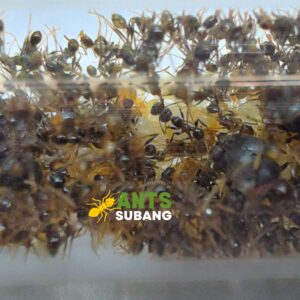
Option 2:Â Two-Queen Colony –Â 2 Queens with 25-35 workers + Brood
(Note: As a polygyne species, having multiple queens will accelerate colony growth and increase resilience.)
Maintenance & Husbandry
1. Humidity:
-
Target:Â 60-90%
-
This is the single most critical factor for H. venator. They require high and stable humidity. The test tube setup is ideal for the nest, but the outworld should also be kept humid. Regular misting of the outworld is highly recommended to maintain these levels and provide drinking water.
2. Temperature:
-
Ideal Range: 20-27°C (68-81°F)
-
Optimal: 25°C (77°F)
-
They prefer it slightly cooler than many tropical species. Avoid high temperatures above 28°C.
3. Diapause (Hibernation):
-
No, Diapause is not required.
-
As a tropical species, they will remain active year-round. A natural winter cooldown to around 20°C (68°F) is sufficient and can help simulate seasonal changes without triggering a full diapause.
4. Nest & Enclosure:
-
Early Stages:Â A glass test tube setup (as provided) is perfect for founding and early growth.
-
Established Colonies:
-
Nest Material is CRITICAL:Â Harpegnathos are sensitive to their nesting material.
-
Suitable Nests:Â They thrive in nests with good humidity retention and a natural feel. Excellent options include:
-
Bamboo tubes
-
Cellular concrete / aerated concrete nests
-
Reconstituted stone nests
-
Ytong / Gypsum nests
-
Evaporation nests (which provide a constant humidity gradient)
-
-
Outworld:Â Should be secure, as they are fast and can jump. Provide a substrate like sand/soil mixed with clay to hold humidity, and some natural decor like twigs and leaves to create a hunting ground.
-
5. Diet:
-
Food Type: Strictly Live Insects. These are visual hunters that will only accept prey that moves.
-
Prey Items: A constant and varied supply is essential.
-
Small crickets
-
Roach nymphs (e.g., Red Runner or Dubia).
- Mealworms
-
-
Sugar: Unlike many ants, Harpegnathos have a very low requirement for sugars. A small drop of honey or sugar water can be offered occasionally, but it is not a staple of their diet and is often ignored if live prey is abundant.
-
Schedule:Â Feed small amounts of live prey 2-3 times a week. Ensure all prey is consumed to prevent stress on the colony from live insects left wandering.
6. Behavior & Observations:
-
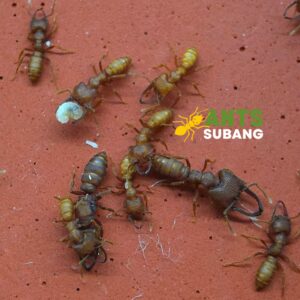
Hunting:Â Watching them hunt is the main attraction. They will stalk their prey with incredible precision, using their large eyes to track movement before making a rapid strike or a short jump.
-
Jumping:Â They use their jumps primarily as an escape mechanism or to catch prey. Handle with care during maintenance as they can be startling.
-
Activity:Â They are not as frantic as some species but are deliberate and alert. Disturbances near their nest will be immediately noticed.
This guide provides the essential knowledge for successfully keeping the magnificent Harpegnathos venator. By focusing on high humidity and a steady supply of live prey, keepers can enjoy one of the most intelligent and visually striking ants in the world.


Reviews
There are no reviews yet.