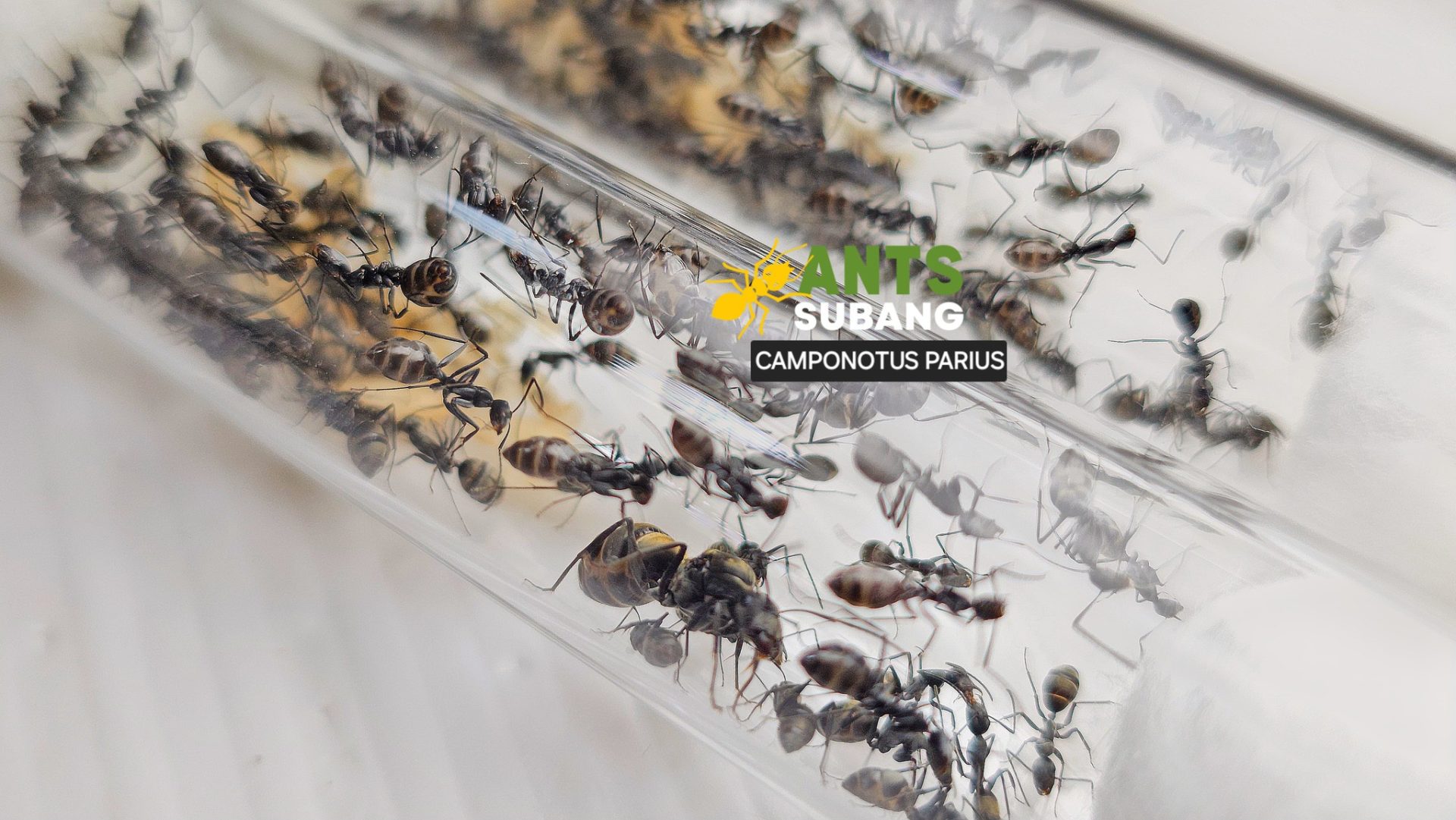
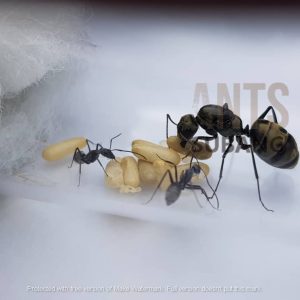
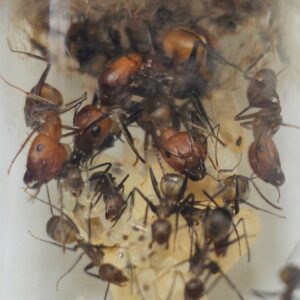
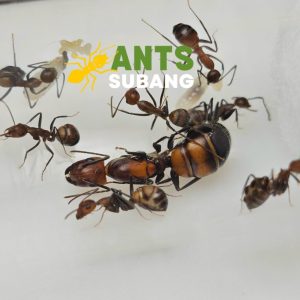
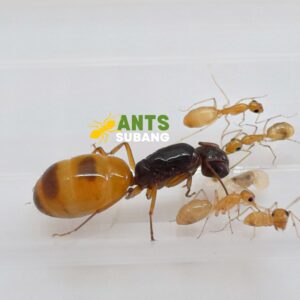
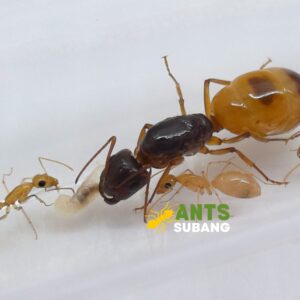
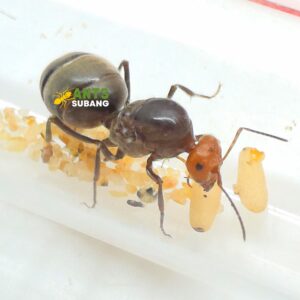
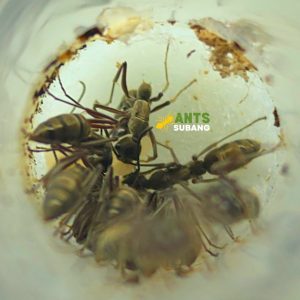
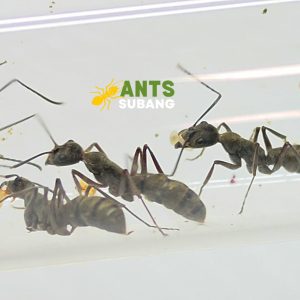
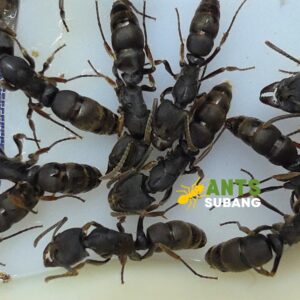
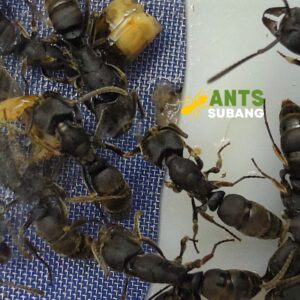
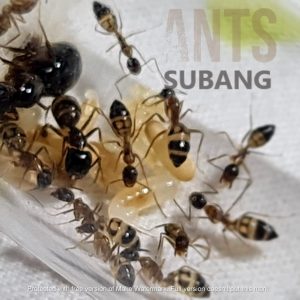
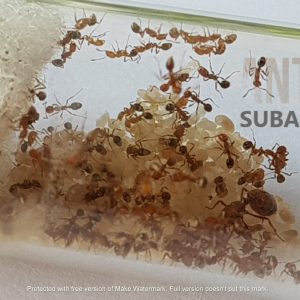
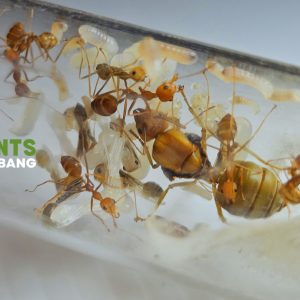
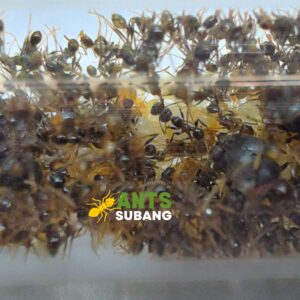
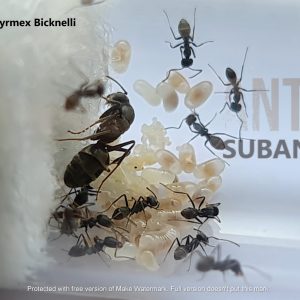
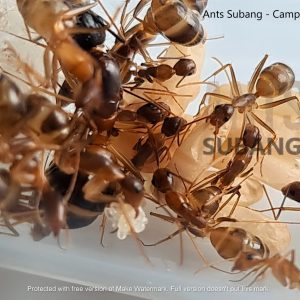
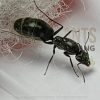
Camponotus Parius, sometimes called the “silver ant” for its beautiful velvety sheen, is another excellent choice for ant keepers . Like the Camponotus irritans we discussed, it is a Southeast Asian species that is generally easy to care for, though it has a few specific preferences . Here’s a detailed care guide for this stunning species.
1. Difficulty Level
Easy to Medium . It is considered beginner-friendly, but some sources suggest it has “higher requirements towards climate and escape prevention,” making it a good step up for those with a little experience .
2. General Information
Scientific Name: Camponotus parius
Distribution: Southeast Asia, including China, Vietnam, Thailand, Malaysia, and Singapore
Colony Structure: Monogynous (one queen per colony)
Queen Size: 13 – 16 mm
Worker Size: 5 – 11 mm (Polymorphic – minor, media, major)
Colony Size: Can reach a few thousand workers (up to 5,000) at maturity
3. Housing & Setup
Nest Type: They are adaptable and will nest in a variety of materials, including acrylic, ytong (aerated concrete), plaster, and naturalistic setups .
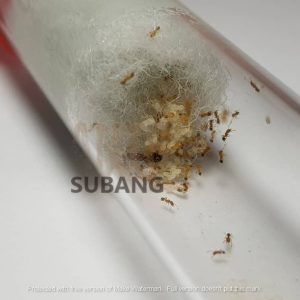
Founding Setup: A test tube setup is perfect for a founding queen. They can be kept in a test tube until the colony fills it significantly .
Escape Prevention: This is a fast-moving species, so a reliable escape barrier (like fluon or a talc/alcohol mixture) on the top edges of the outworld is essential .
4. Environmental Conditions
Temperature: They are tropical and require warmth.
Optimal Range: 24 – 28°C .
Safe Range: 25 – 30°C .
Humidity: They prefer a humid environment. A humidity gradient in the nest is recommended.
Nest Humidity: 50 – 80% .
Hibernation: No. As a tropical species, they do not require diapause .
5. Feeding & Nutrition
Carbohydrates (Energy): Provide sugar water or honey water .
Proteins (Growth): Feed a variety of insects like crickets, mealworms, roaches, and fruit flies .
Feeding Tips:
For optimal growth, feed protein regularly and ensure carbohydrates are constantly available .
Do not feed insects caught from the wild; purchase them from pet stores to avoid parasites and pesticides .
Remove uneaten food after 24 hours to prevent mold.
6. Development & Growth
Founding Type: Claustral (The queen raises the first generation of workers using her own energy reserves) .
Growth Rate: They are known for a quick start, with a young colony raising 25-40 workers in 3 to 5 month.
7. Temperament & Behavior
Defense: They defend themselves with strong mandibles and by spraying formic acid .
Activity: They are fast-moving and can be active during the day .
Colony Personality: Young colonies are timid, but as the colony grows, they become braver and will aggressively defend their territory .
8. Summary
Camponotus parius is a beautiful, fast-moving, and rewarding species to keep. Its stunning silver-gold sheen and active foraging behavior make it a favorite among ant keepers . While it requires stable warmth and humidity, it’s a robust and forgiving species that’s a fantastic choice for those looking to try a tropical ant.


Reviews
There are no reviews yet.