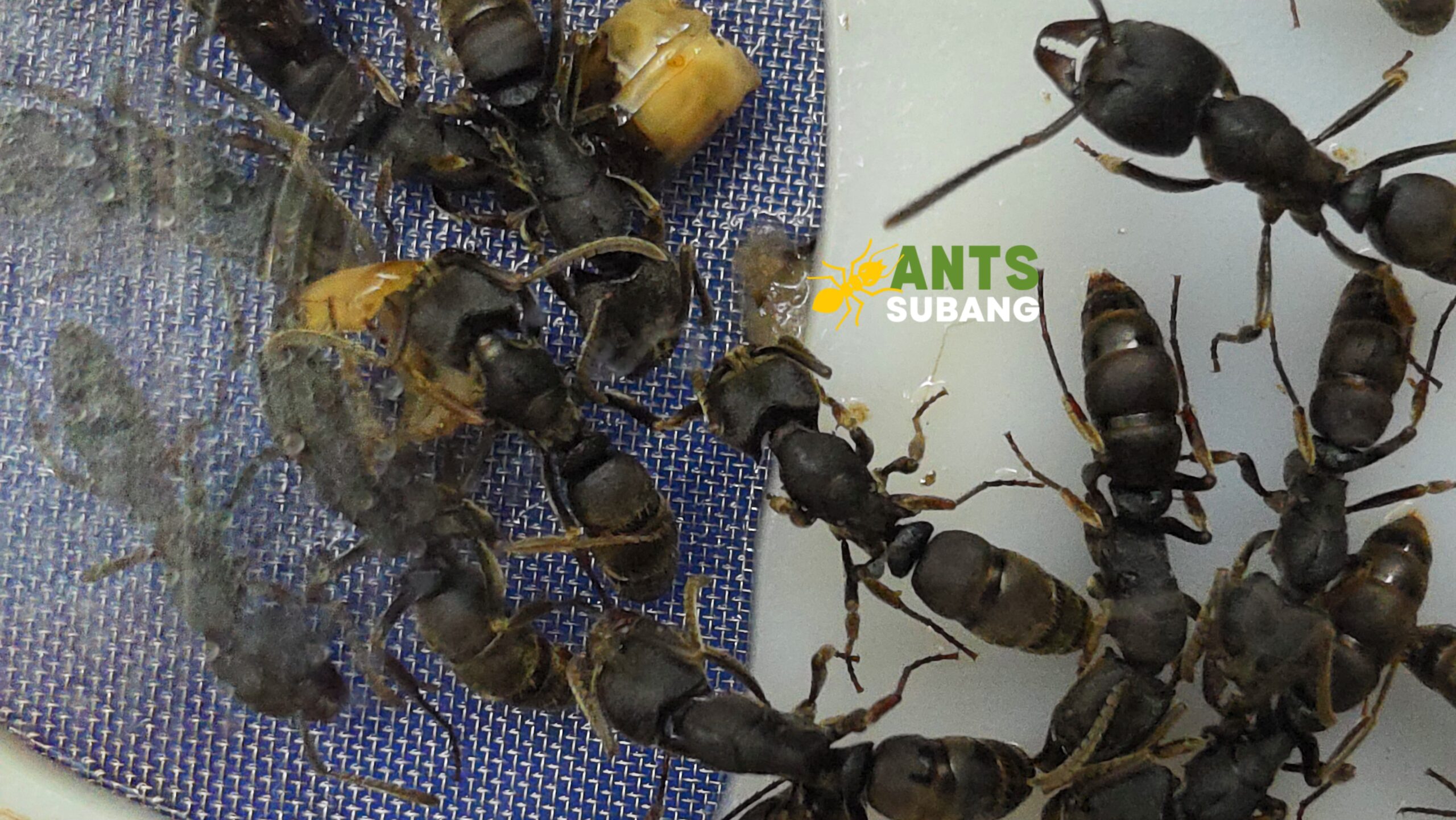
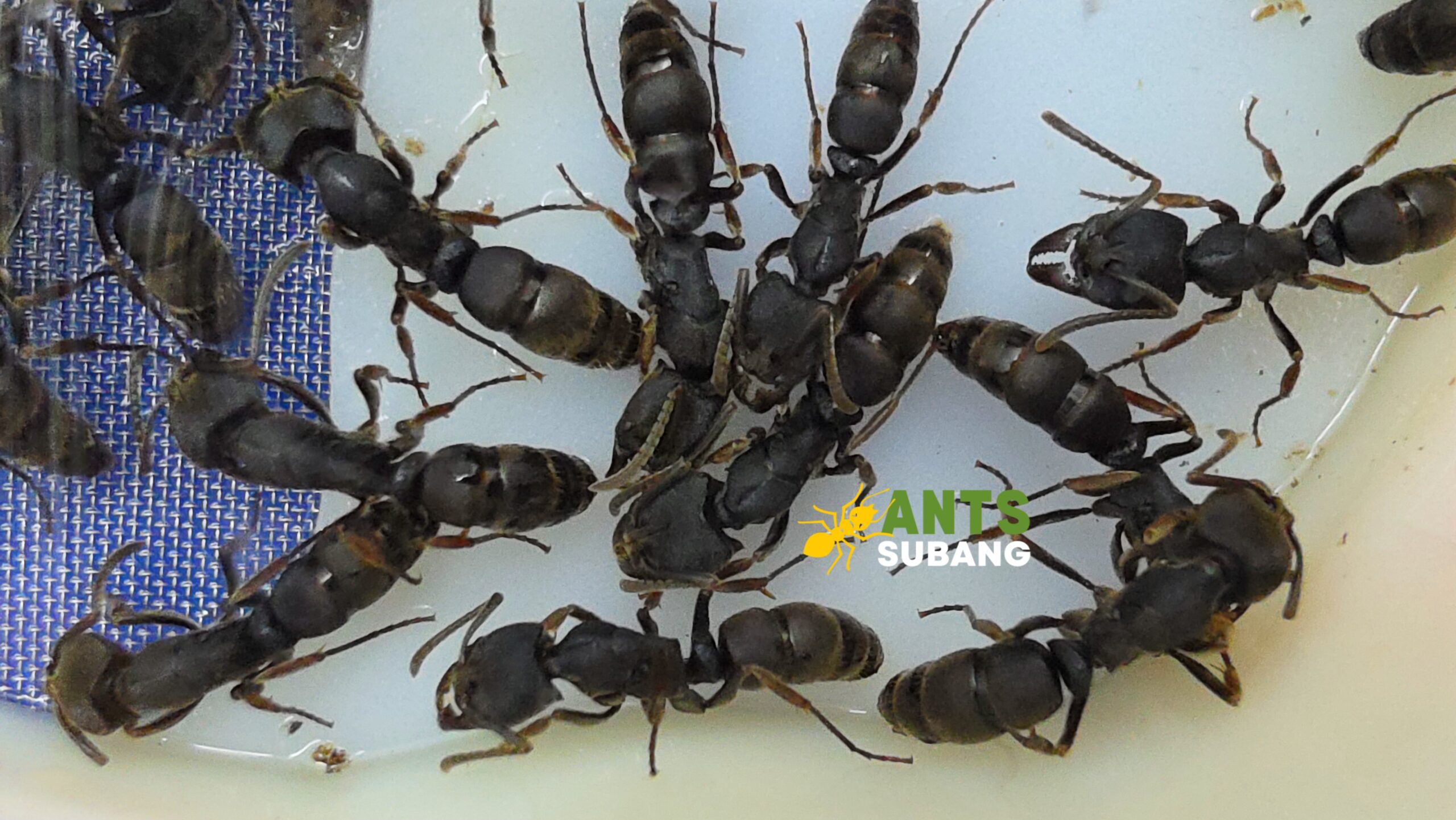
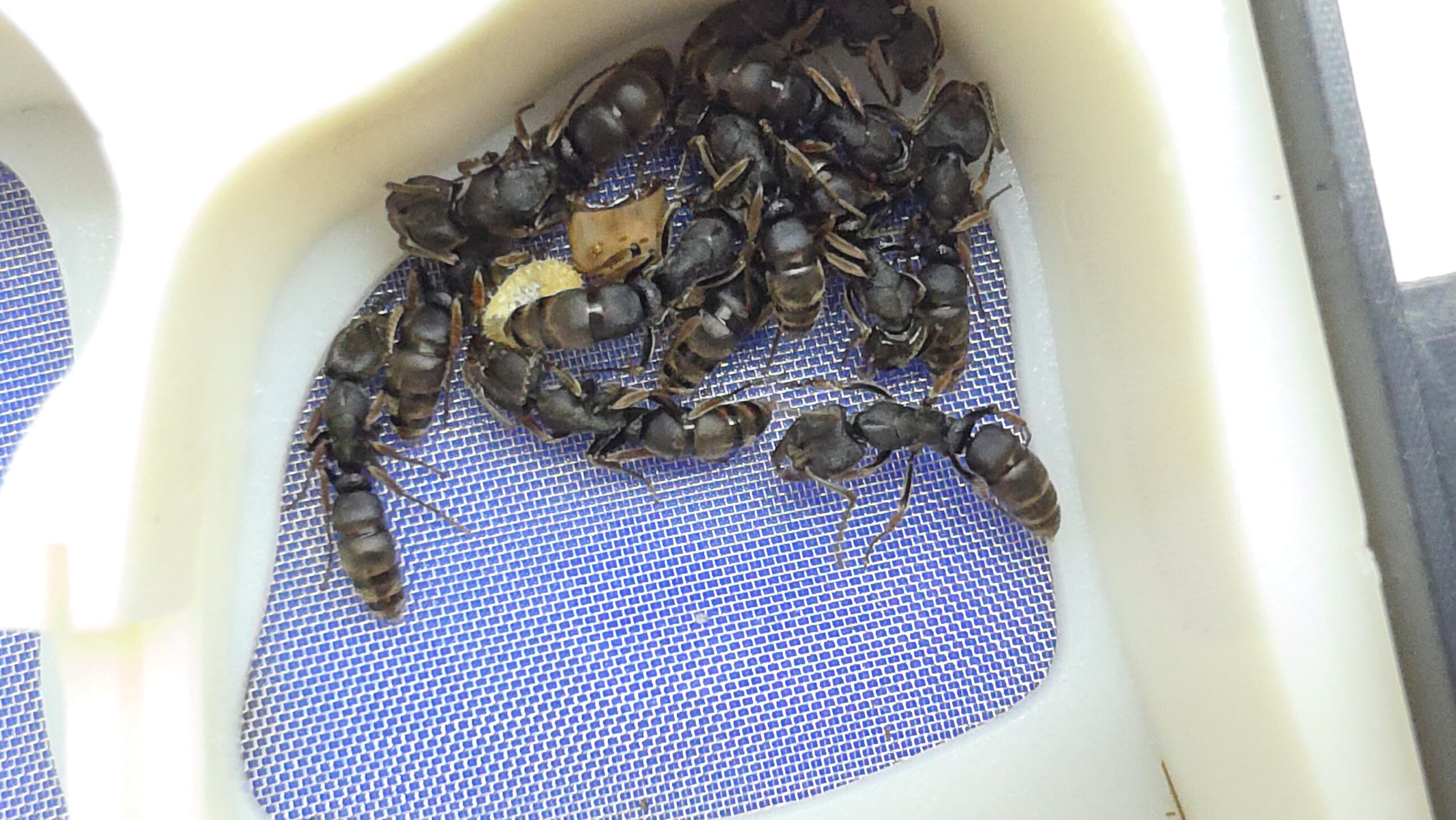
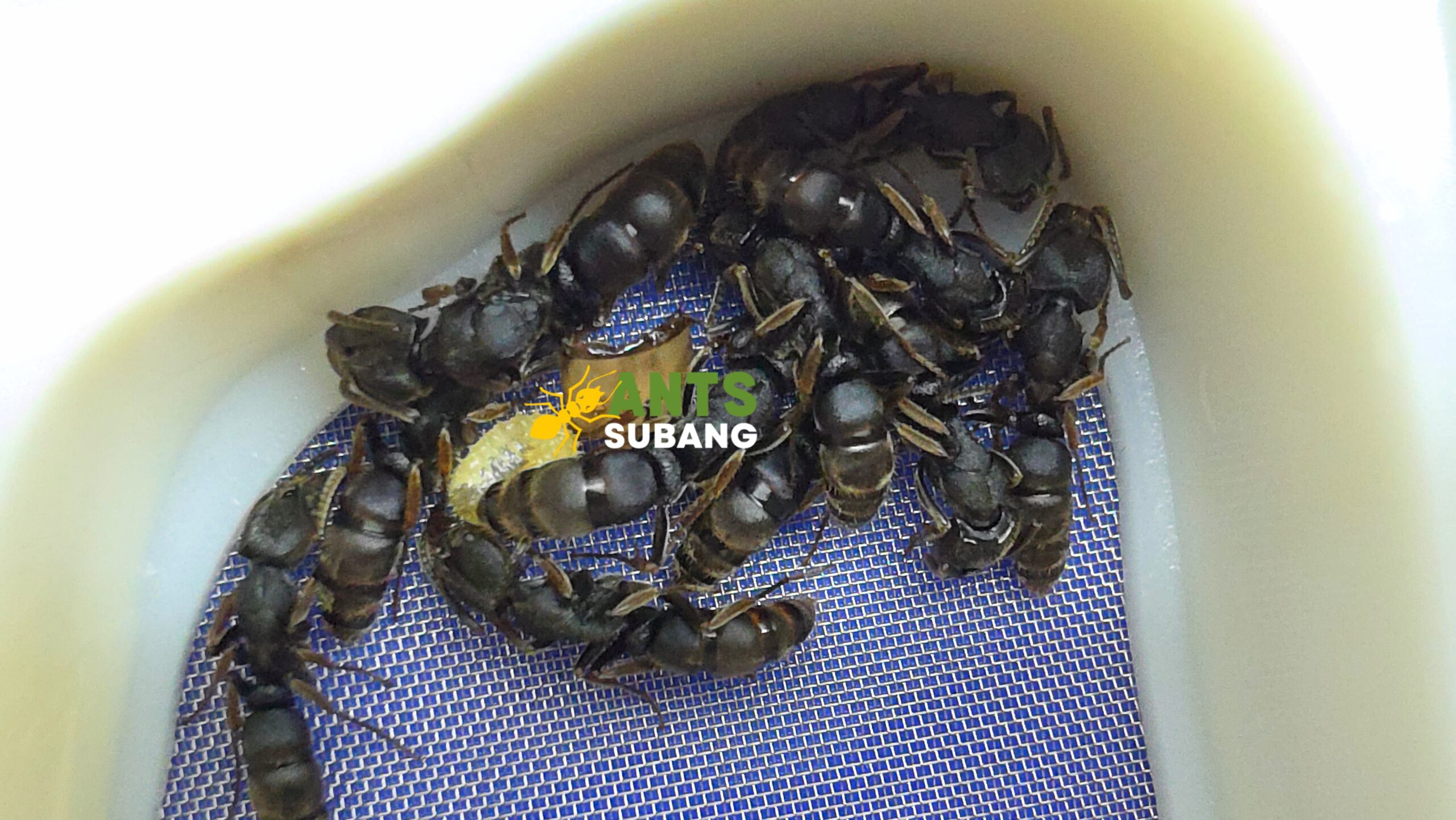
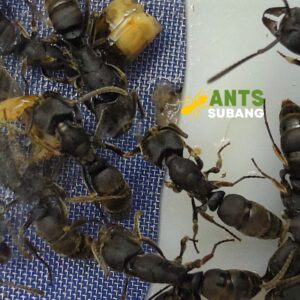
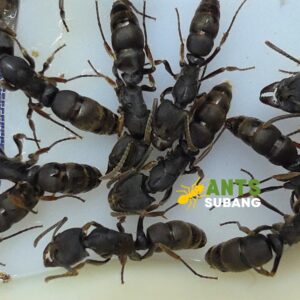
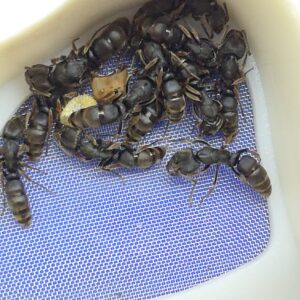
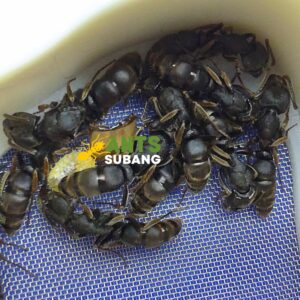
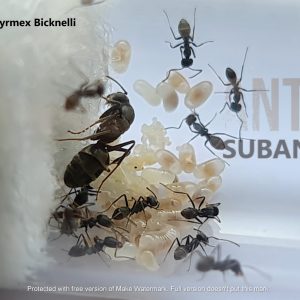
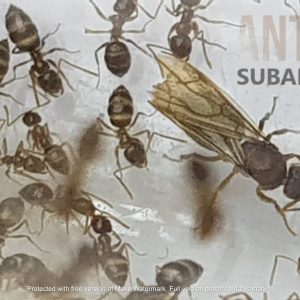
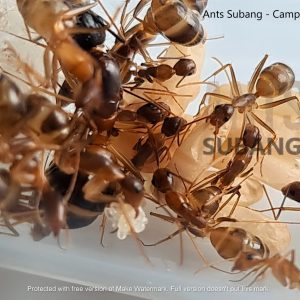
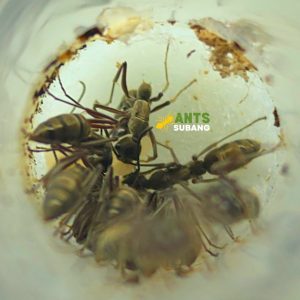
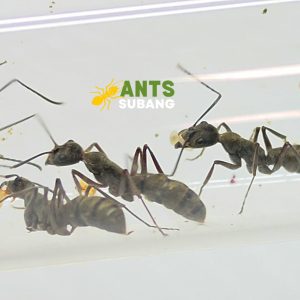
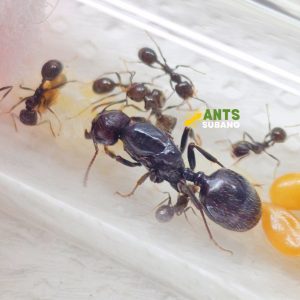
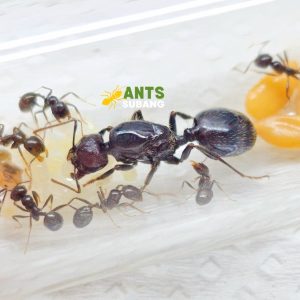
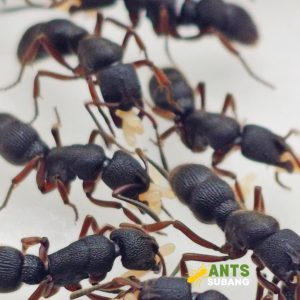
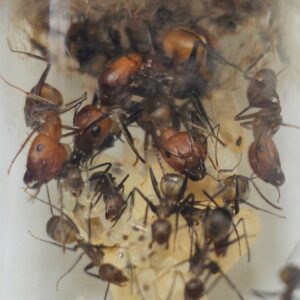
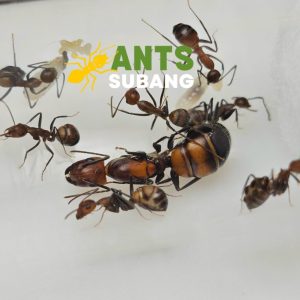
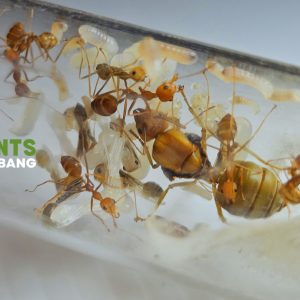
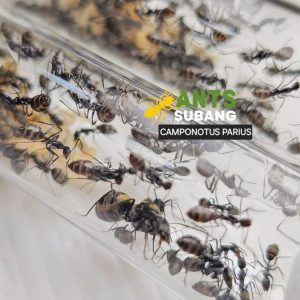
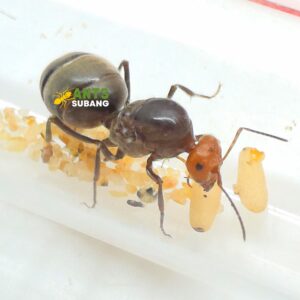
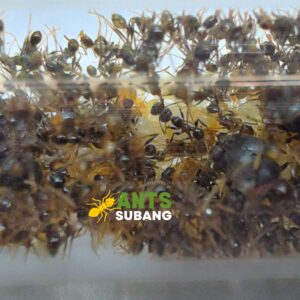
Ectomomyrmex astutus is a large, aggressive ponerine predator that demands high humidity and offers slow, deliberate colony growth. It is generally considered one of the more manageable ponerine species, but its powerful sting and specific moisture needs make it better suited for keepers with some prior experience.
WHAT YOU WILL GET:-
1 x Gamergate and 5 to 10 workers
in Test tube setup
📋 Species Overview
| Attribute | Detail |
|---|---|
| Difficulty | Intermediate to Hard; sensitive founding phase |
| Origin | Tropical and subtropical Asia |
| Colony Type | Typically monogyne (single queen), but gamergates (mated workers) are possible |
| Worker Size | Large: 9–16 mm |
| Queen Size | Approximately 12–14 mm |
| Mature Colony | Small: roughly 300–500 workers maximum |
| Growth Rate | Slow; egg to first worker takes 9–12 weeks |
| Hibernation | No; tropical species, keep warm year-round |
🏠 Housing and Nest Setup
This is a ground-nesting, moisture-dependent species. Their natural habitat is the damp forest floor, so replicating that is key.
Founding Setup: Start the queen in a sealed test tube with a water reservoir. Founding is typically semi-claustral, meaning the queen may forage a little, but disturbance should be minimized .
Nest Material: Plaster nests are ideal because they hold moisture well and maintain stable humidity . Avoid smooth surfaces like glass or acrylic; they cannot climb them, which can actually help with escape prevention .
Critical Humidity: Keep the nest consistently damp but not waterlogged. A moisture gradient is best, allowing the colony to move brood to their preferred level . The nest humidity should be 70–85%, so a water tower or regular misting is necessary .
Substrate: Provide a layer of coconut peat if using a naturalistic setup. Crucially, keep a small amount of moist substrate inside the nest chambers. The larvae need debris to help them spin their cocoons successfully; without it, they often fail to pupate .
🌡️ Temperature and Climate
As a tropical species, they need warmth and high humidity without a winter rest.
Temperature: Keep them at a stable 27–28°C
🍽️ Diet and Feeding
They are specialist predators that hunt individually rather than through mass recruitment.
Protein (Primary): Offer live or freshly killed insects 2–3 times per week. Small crickets, mealworms, fruit flies, and cockroach nymphs are all suitable. They are solitary hunters, so prey size should match the workers (avoid prey larger than 1 cm if they are timid) .
Sugars (Secondary): They will accept honey or sugar water, but it is not a primary food source. They rely much less on liquid food sharing (trophallaxis) than many other ants .
Hygiene: Remove uneaten prey after 24 hours to prevent mold and mites, especially in the humid nest environment .
🐜 Colony Development and Behavior
Expect a small, steady, and watchable colony rather than a population explosion.
Founding: The semi-claustral founding phase is delicate. The queen needs food during this time. Disturb her as little as possible, and provide a small drop of honey or a tiny insect if she seems to be foraging .
Growth: They are slow-growing. A colony may take over a year to reach a few dozen workers . The first workers (nanitics) are not dramatically smaller than later workers.
Behavior: They are aggressive predators with a powerful sting that causes significant pain . Workers are mostly nocturnal or crepuscular in the wild, though they may be active at other times in captivity .
Maturity: A mature colony of a few hundred workers is considered large for this species. They do not produce distinct soldier or major castes .
⚠️ Common Issues and Pitfalls
Powerful Sting: Handle with extreme caution. Use gloves or forceps when doing maintenance. Their sting is reportedly very painful .
Founding Sensitivity: The colony can fail or lose brood if conditions are too dry or if the queen is stressed. Maintaining humidity is critical from day one .
Cocoon Failure: If larvae are not provided with substrate (soil/coconut fiber) to help them spin cocoons, they may die during pupation. This is a common mistake with this species .
Escape Prevention: While they cannot climb smooth glass or acrylic, they are strong and can push open loose lids.


Reviews
There are no reviews yet.