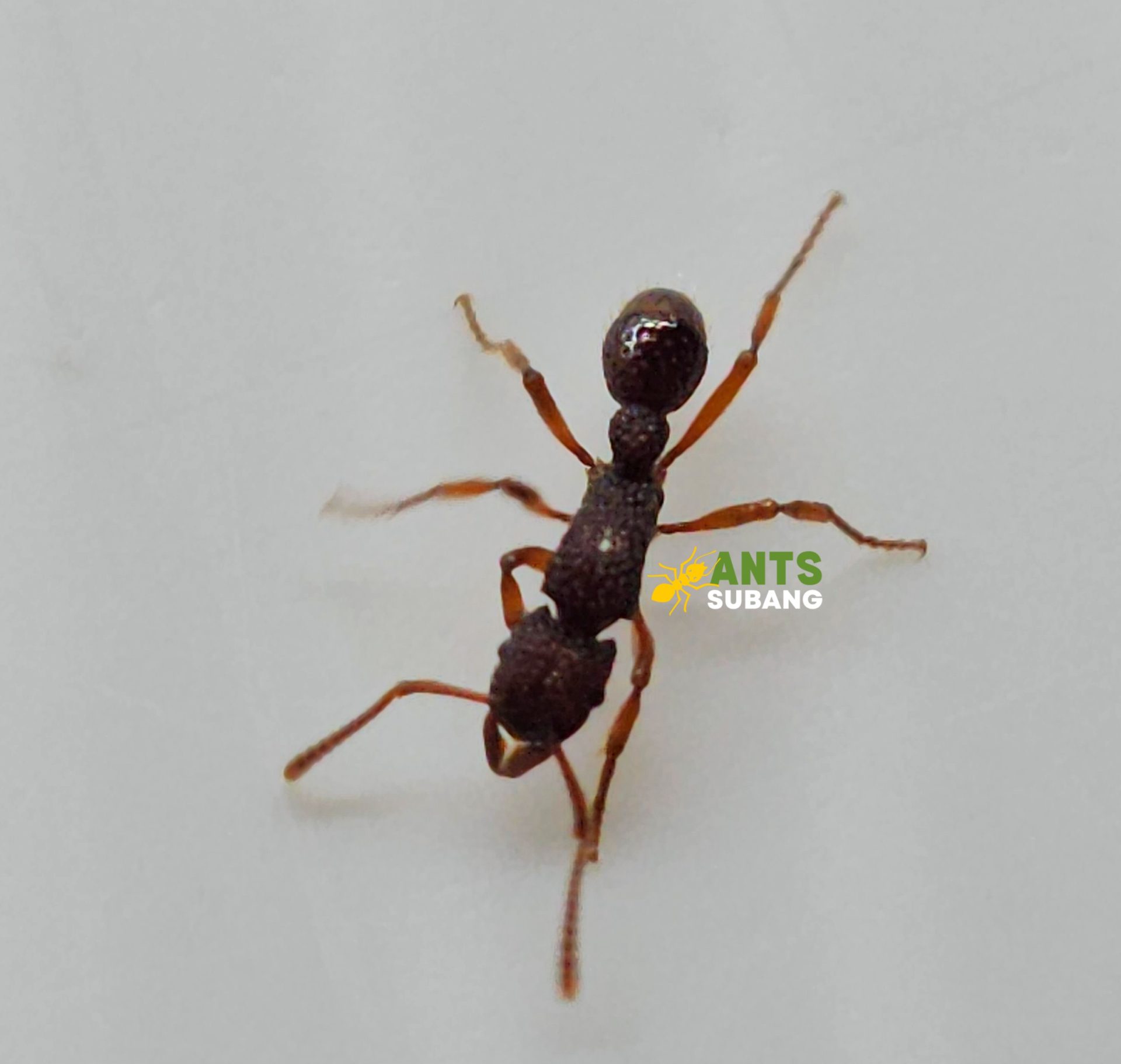
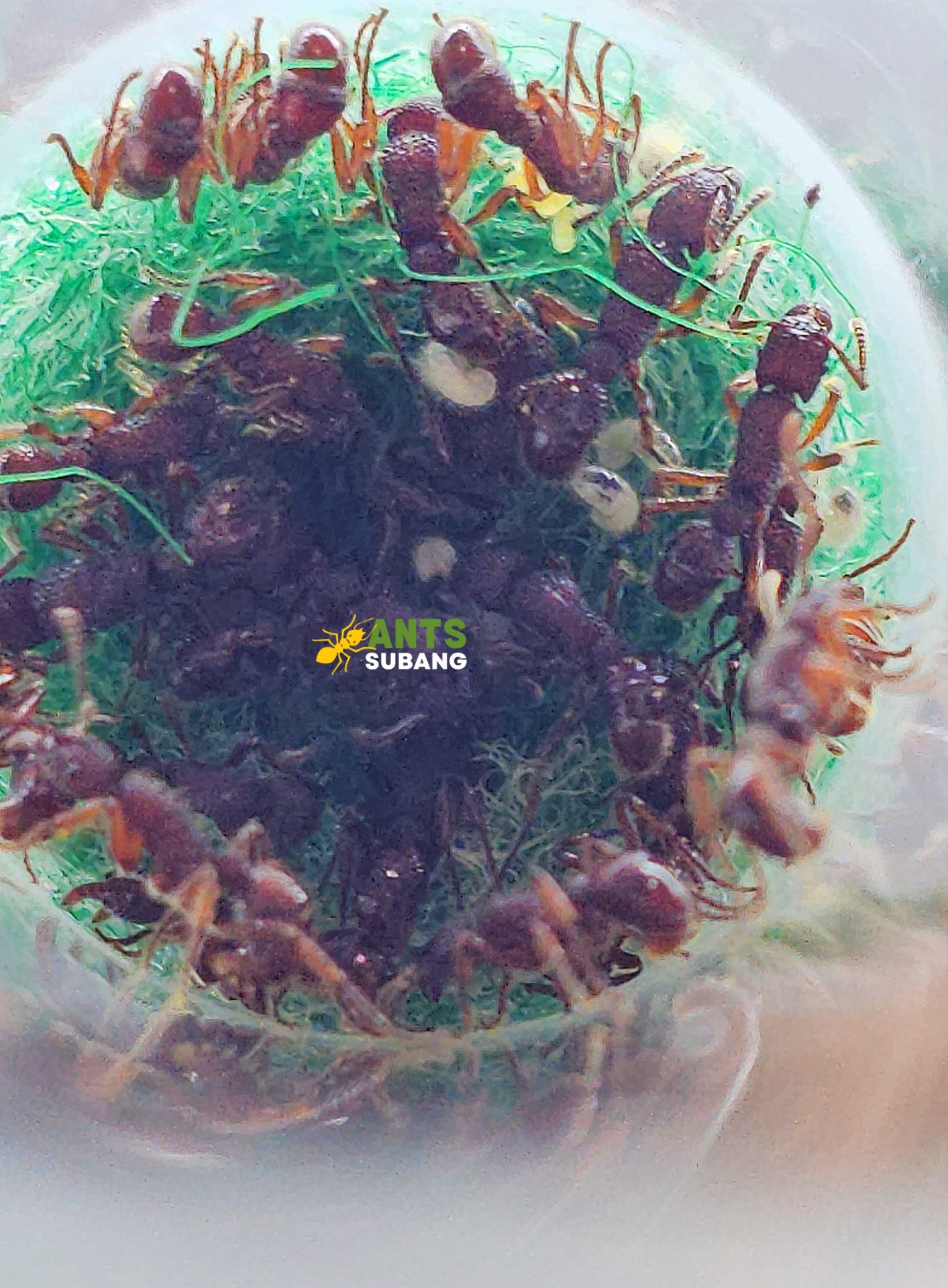
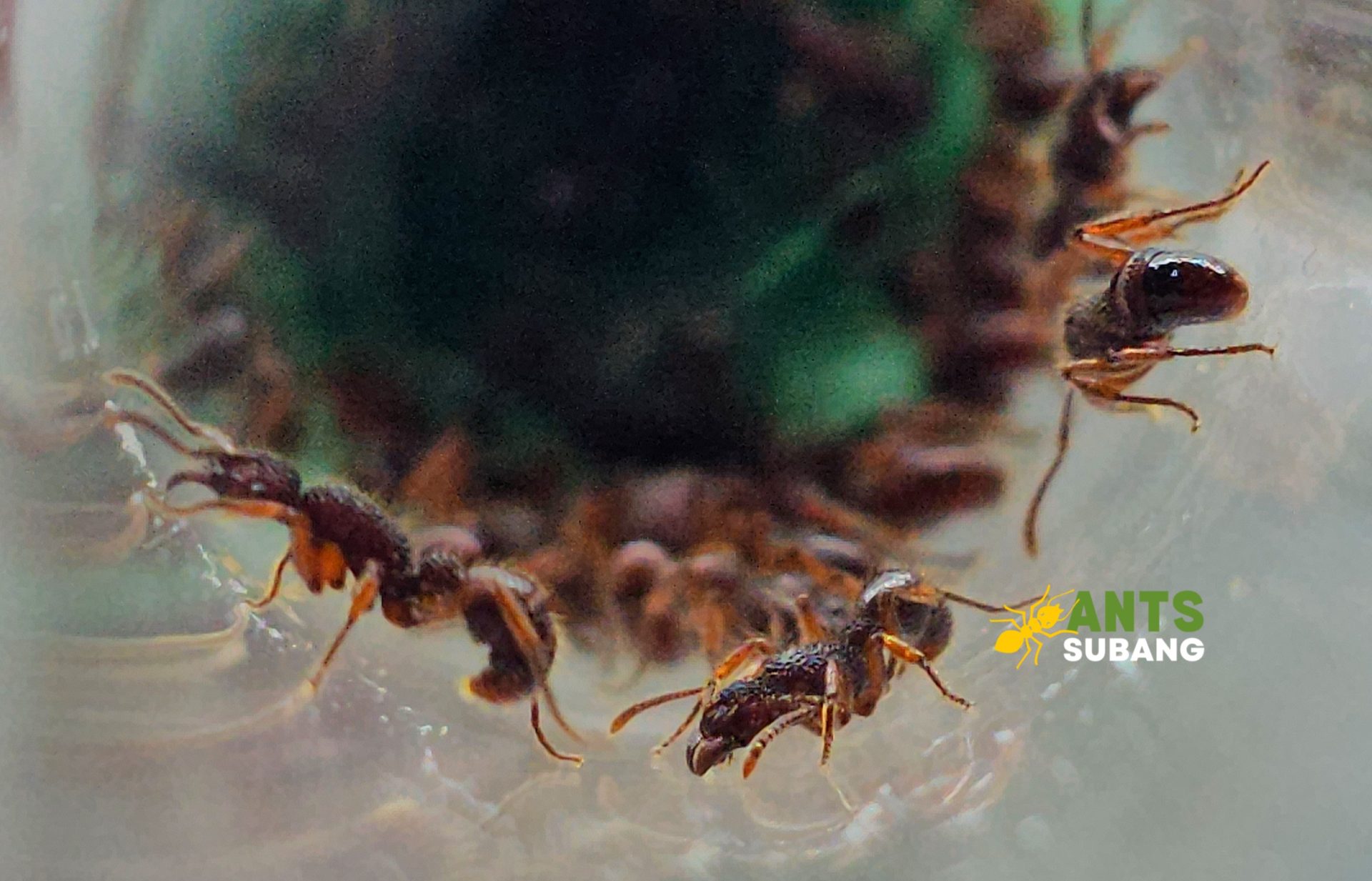
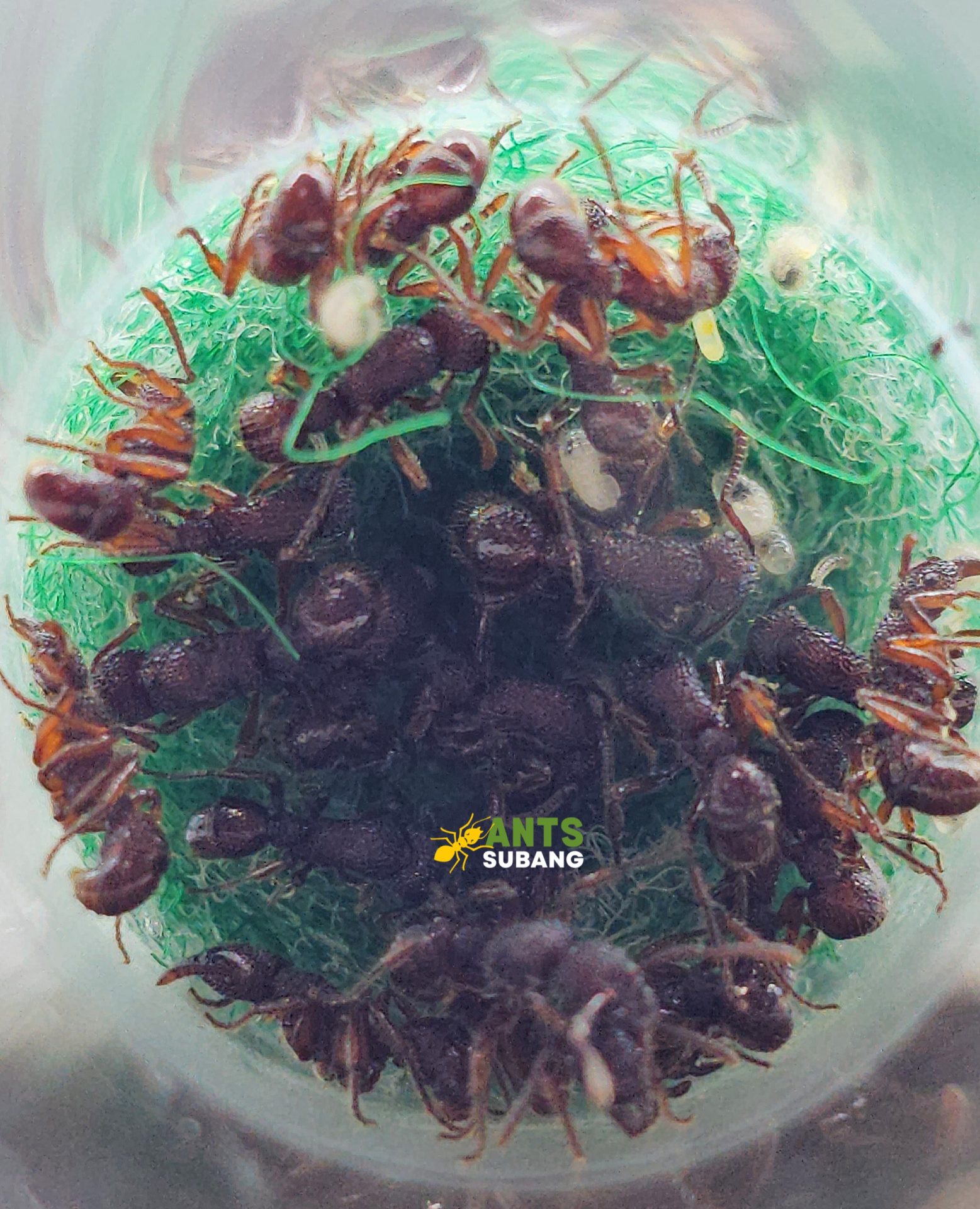
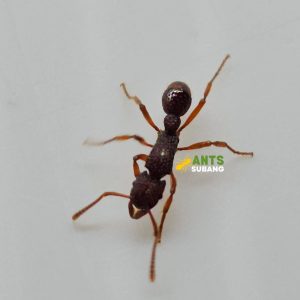
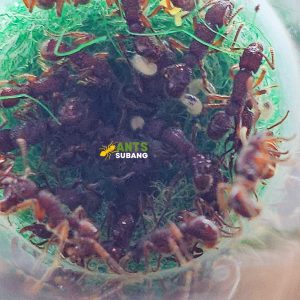
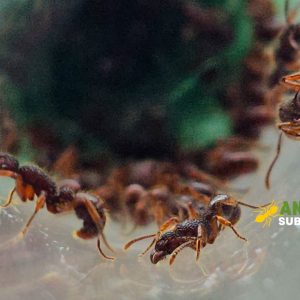
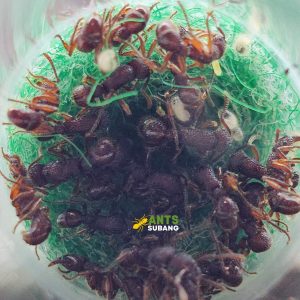
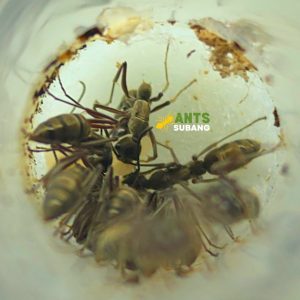
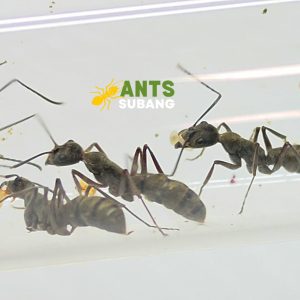
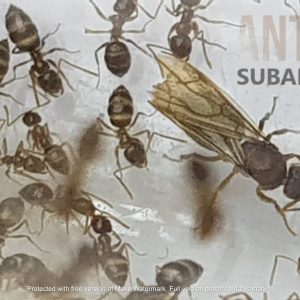
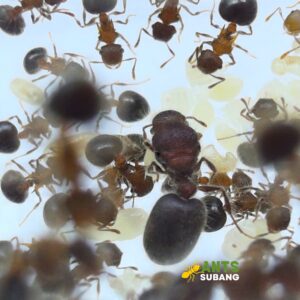
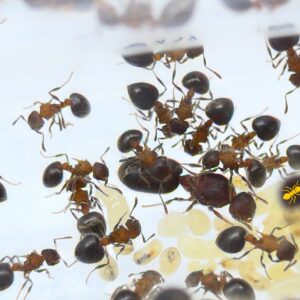
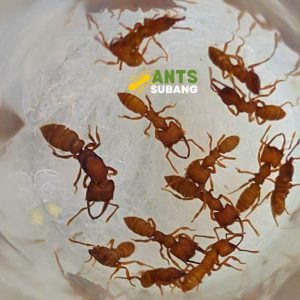
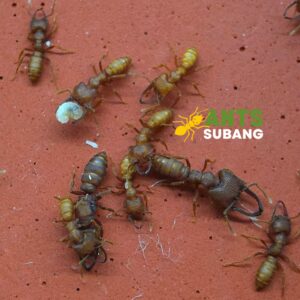
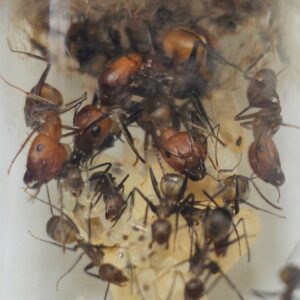
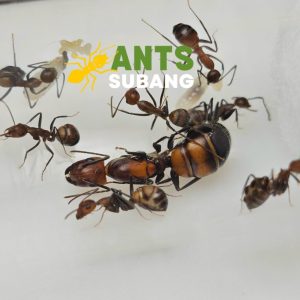
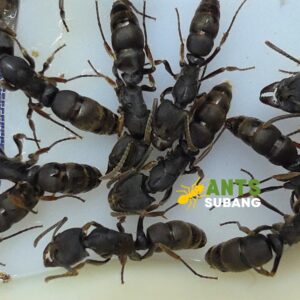
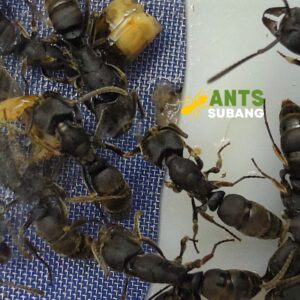
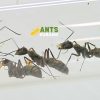
Keeping a Gnamptogenys ant species colony is a rewarding challenge for ant keepers. This species requires a specific tropical environment and careful feeding to thrive. While they are active and fast-growing, they are not recommended for complete beginners due to their specific humidity and temperature needs.
| Caste | Size Range | Key Details |
|---|---|---|
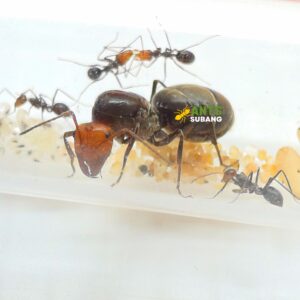
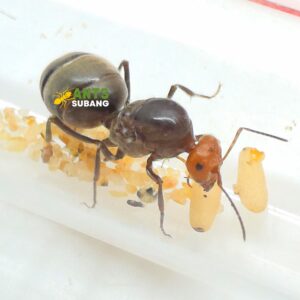
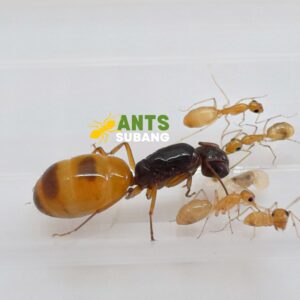
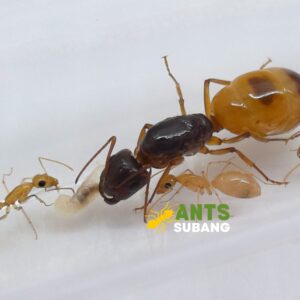
| Queen | 6.7 – 7.5 mm | Has a bulkier thorax but looks very similar to workers Red and Black Bicolor |
| Worker | 4.5 – 6.2 mm (most sources) / 5-7 mm | average around 5-6 mm |
What you will get:
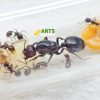
1Q x 10 to 20 workers
Here is a detailed guide to keeping them successfully.
🏡 Habitat & Setup
Colony Structure: They are monogynous, meaning each colony has only one queen. A mature colony typically reaches a few hundred workers, so they won’t outgrow a standard setup .
Nest & Arena: Use a naturalistic setup or any nest that retains moisture well. Provide an outworld for feeding and exploration. Keep some extra space in the nest for colony growth .
Substrate & Décor: Add a thin layer of soil, clay, or moss to the outworld to help maintain humidity. They are excellent climbers, so a tight-fitting lid is essential .
🌡️ Environment & Climate
As a tropical species, maintaining warmth and high humidity is critical for their survival and development .
Area Temperature Humidity
Nest 26 – 28°C (75 – 82°F) 60 – 80%
🍽️ Feeding & Nutrition
These are primarily predatory ants with a strong preference for protein.
Protein: Their diet should mainly consist of live or freshly killed insects. Crickets, fruit flies, mealworms, superworms and roaches are excellent choices .
Carbohydrates: They will take a small amount of honey or sugar water, but this should not be a main part of their diet .
Feeding Tips:
Feed them only as much as they can finish to prevent rot and mold .
They seem to thrive when they can “clean” an insect completely, leaving minimal debris .
🩺 Maintenance & Key Considerations
Cleanliness is Critical: This species is sensitive to waste and mold. Be diligent about removing dead insects and organic trash from both the nest and outworld .
Queen Identification: It is very difficult to distinguish the queen from the workers by sight, as they look almost identical .
Sting: They possess a stinger, but it is harmless to humans and is used primarily for hunting insects .


Reviews
There are no reviews yet.